Dima & Lena: Documentary Classics
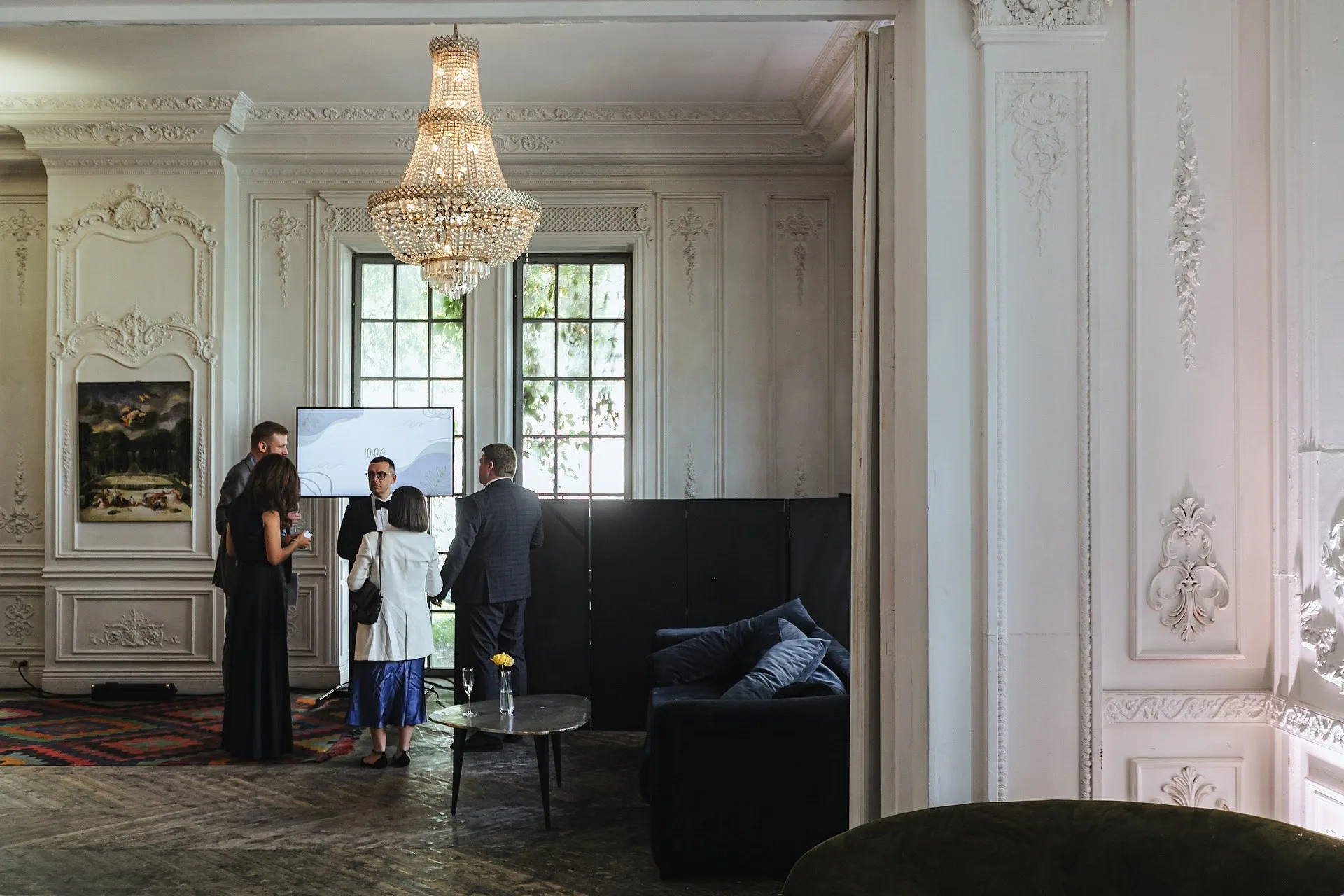
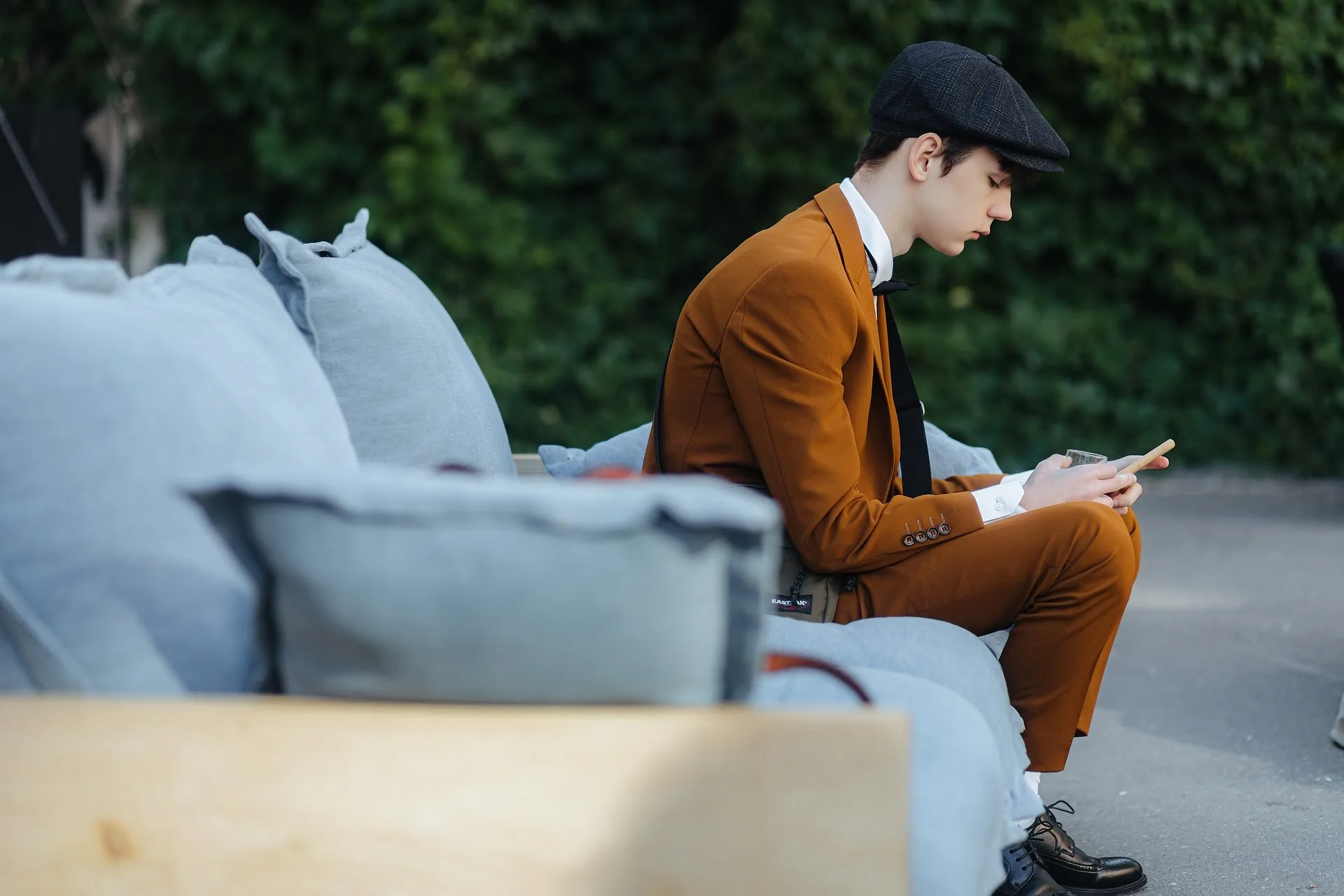
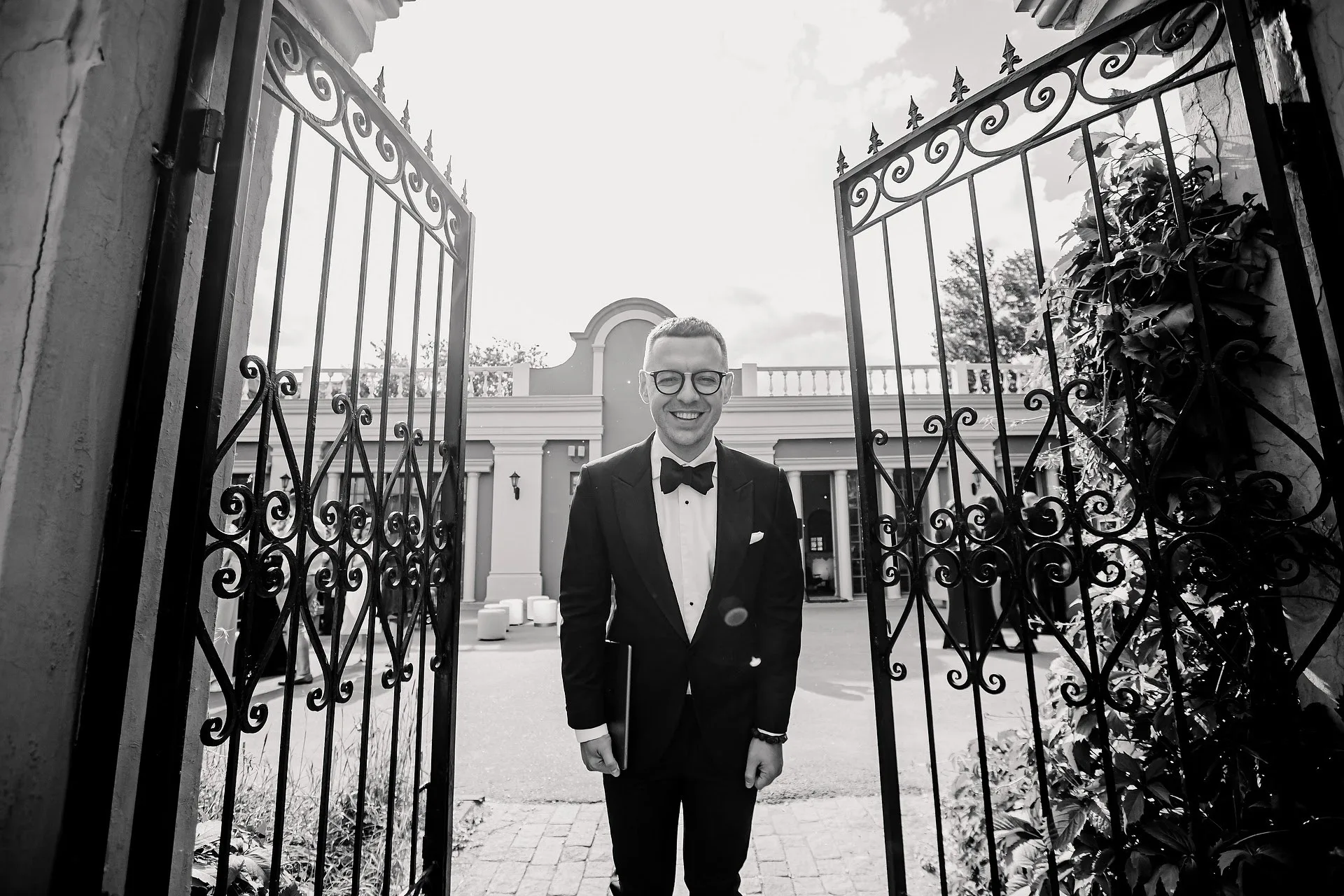
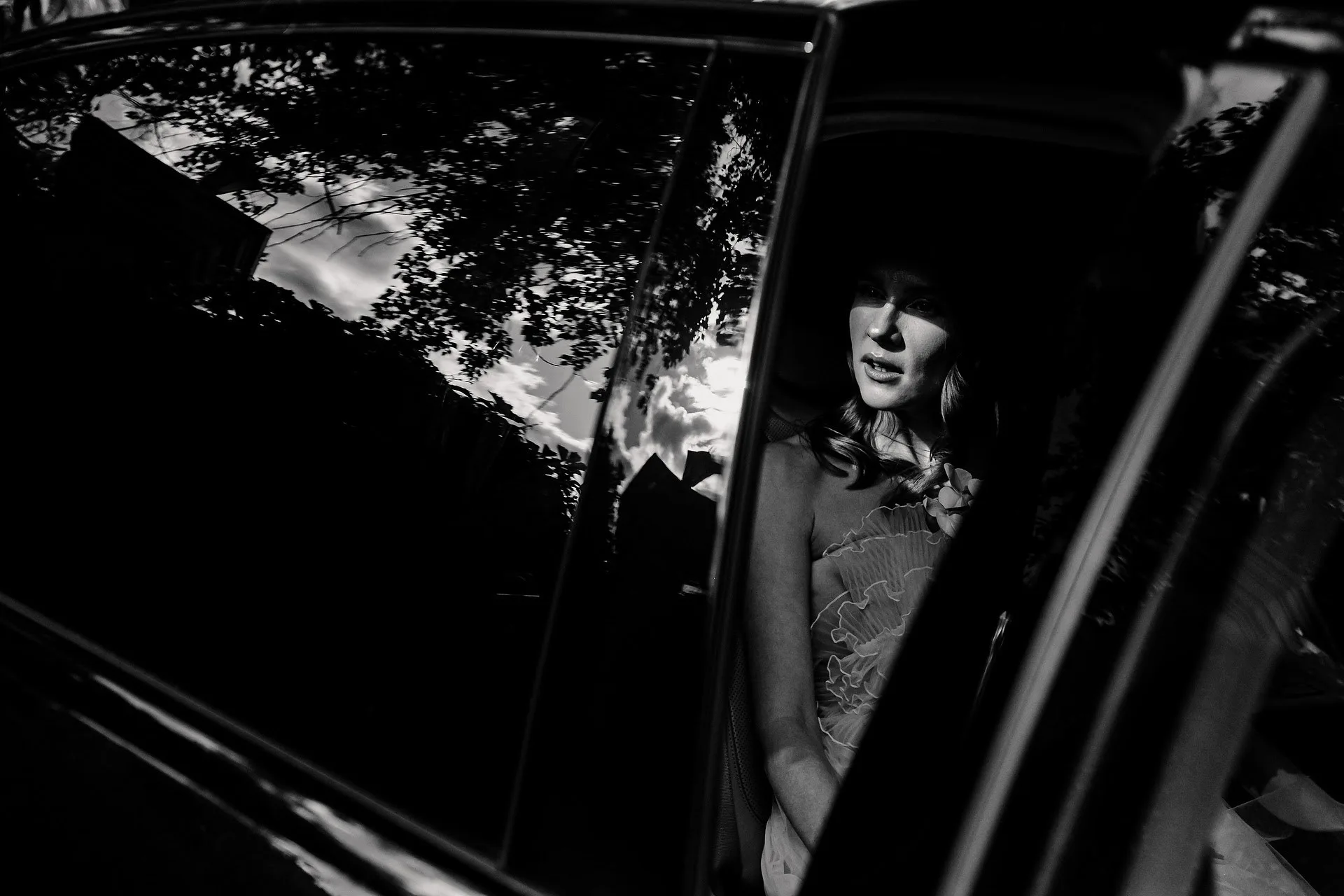
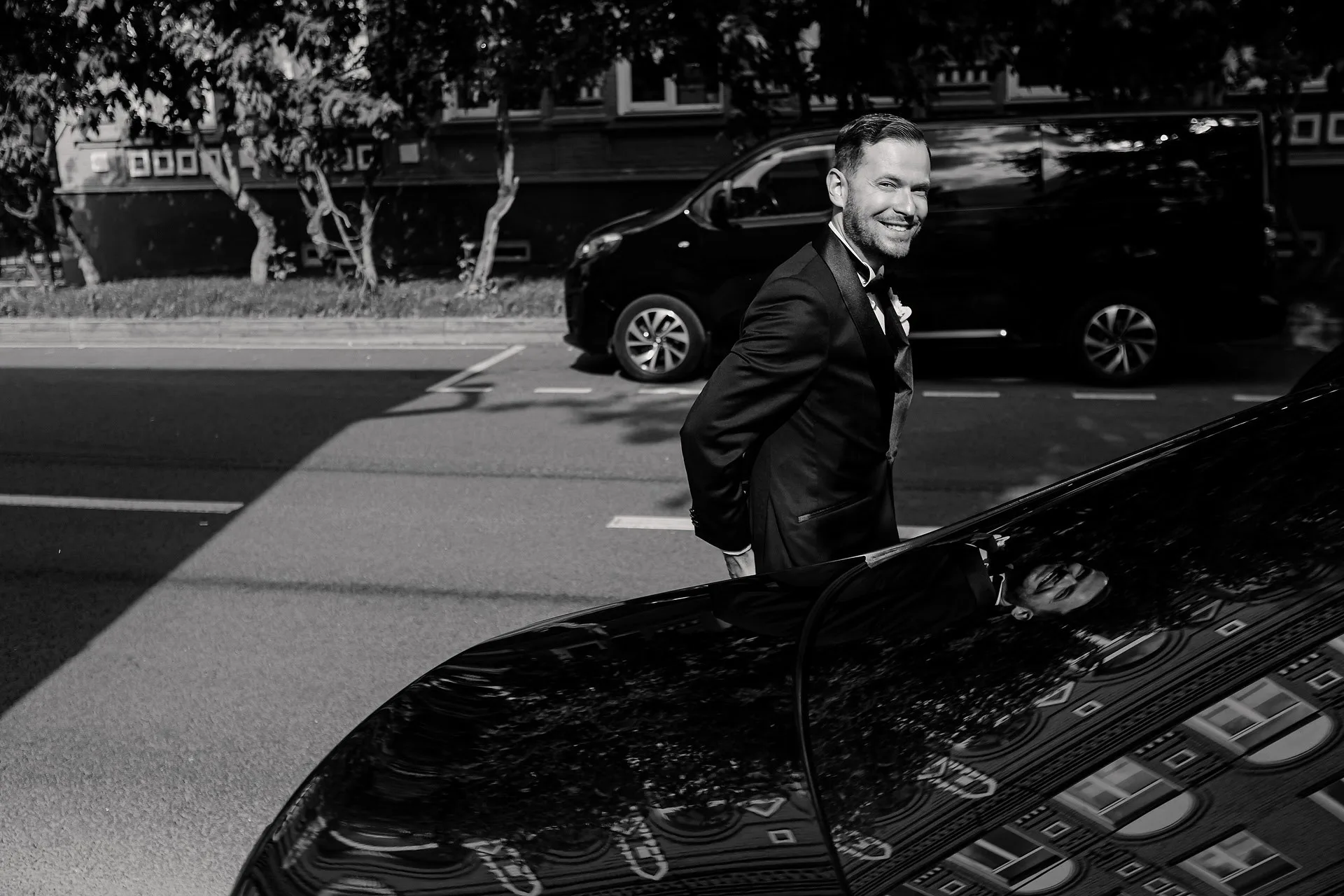
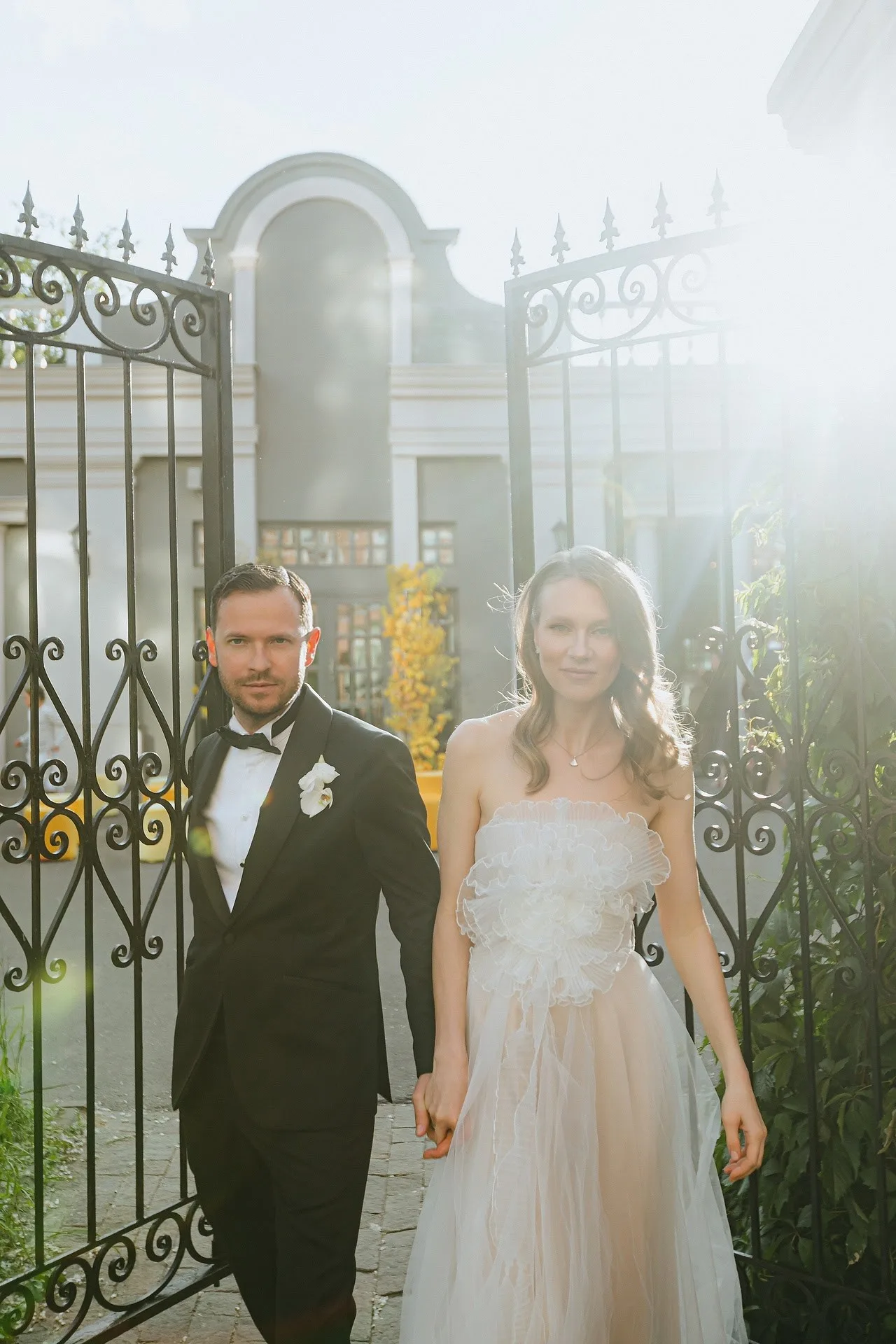
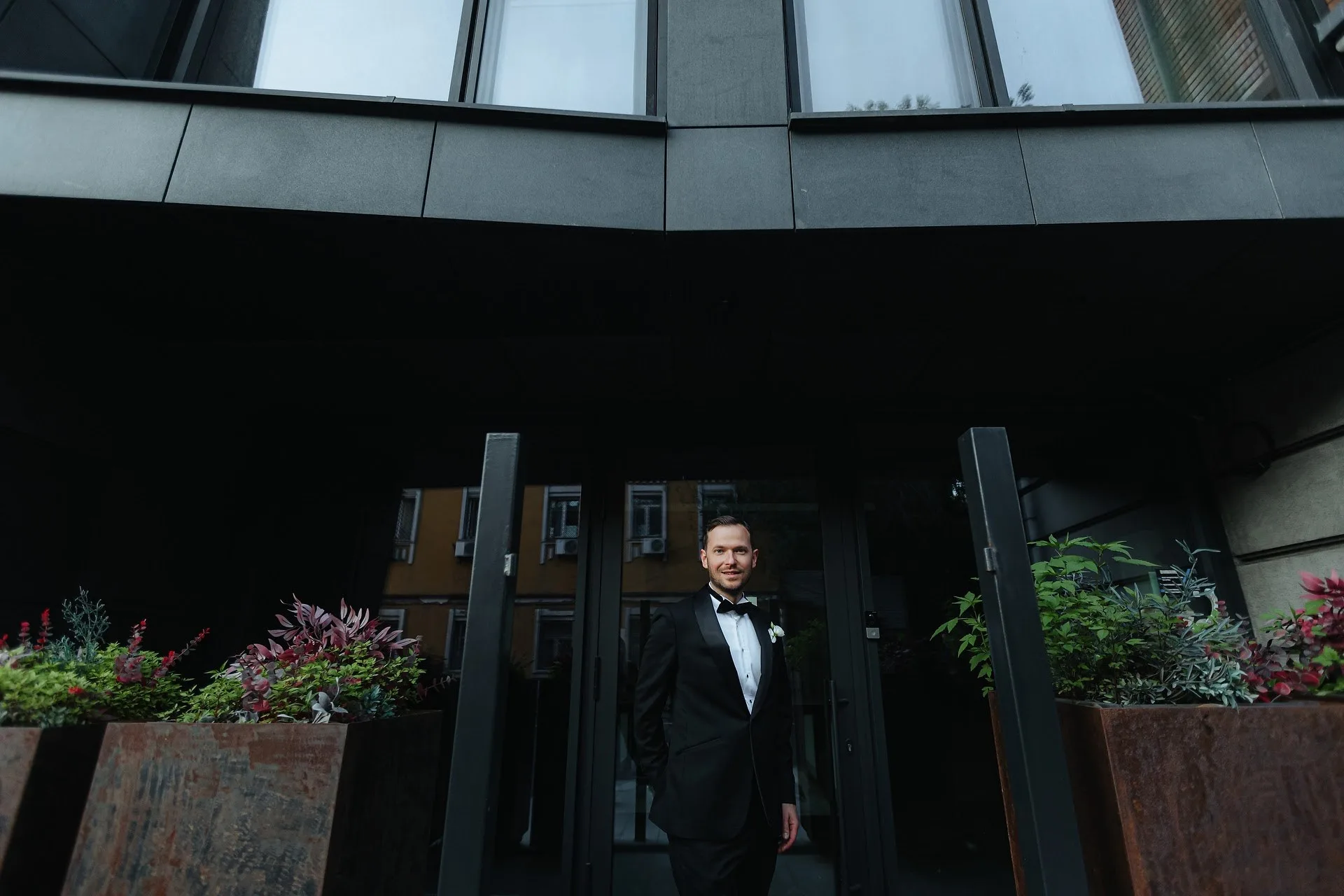
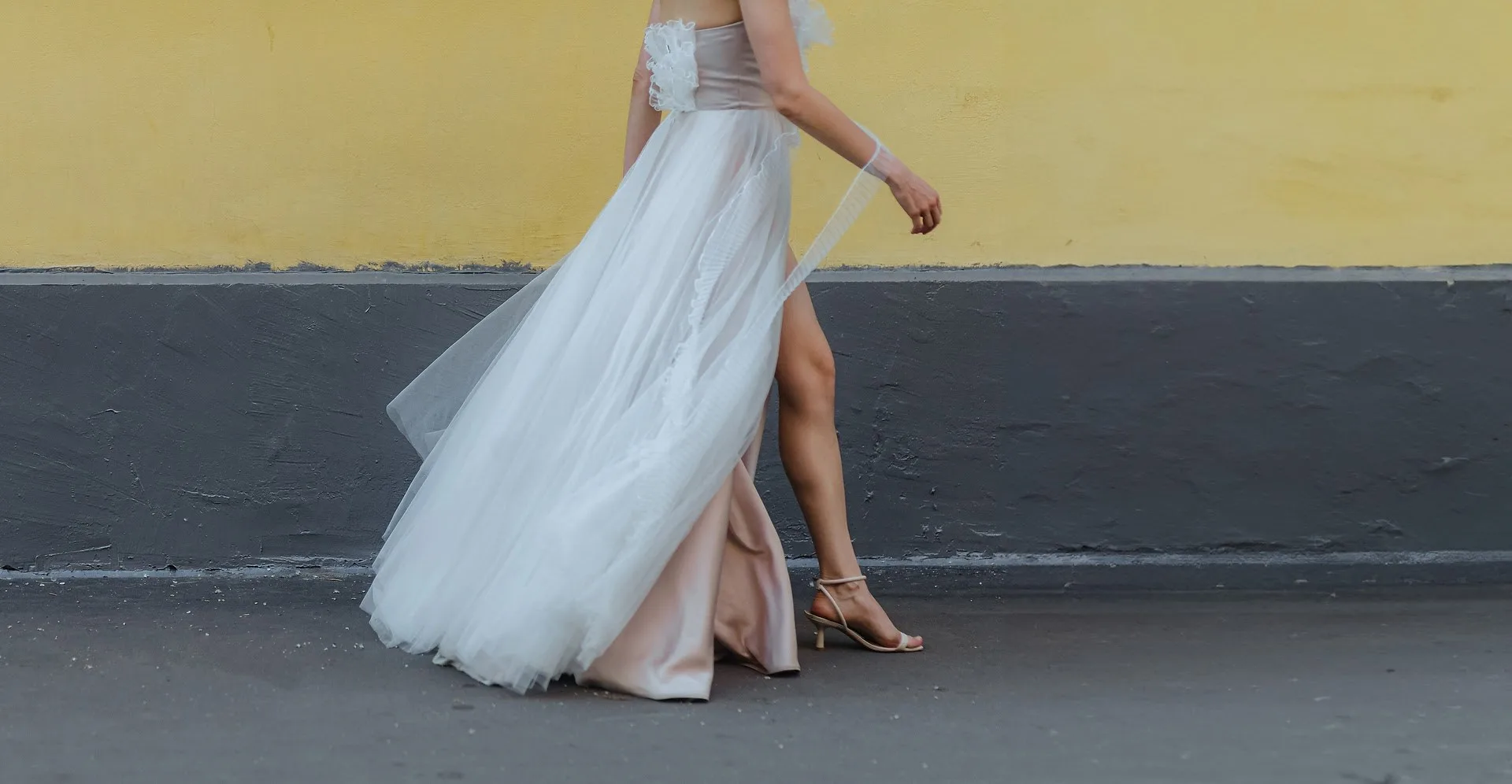
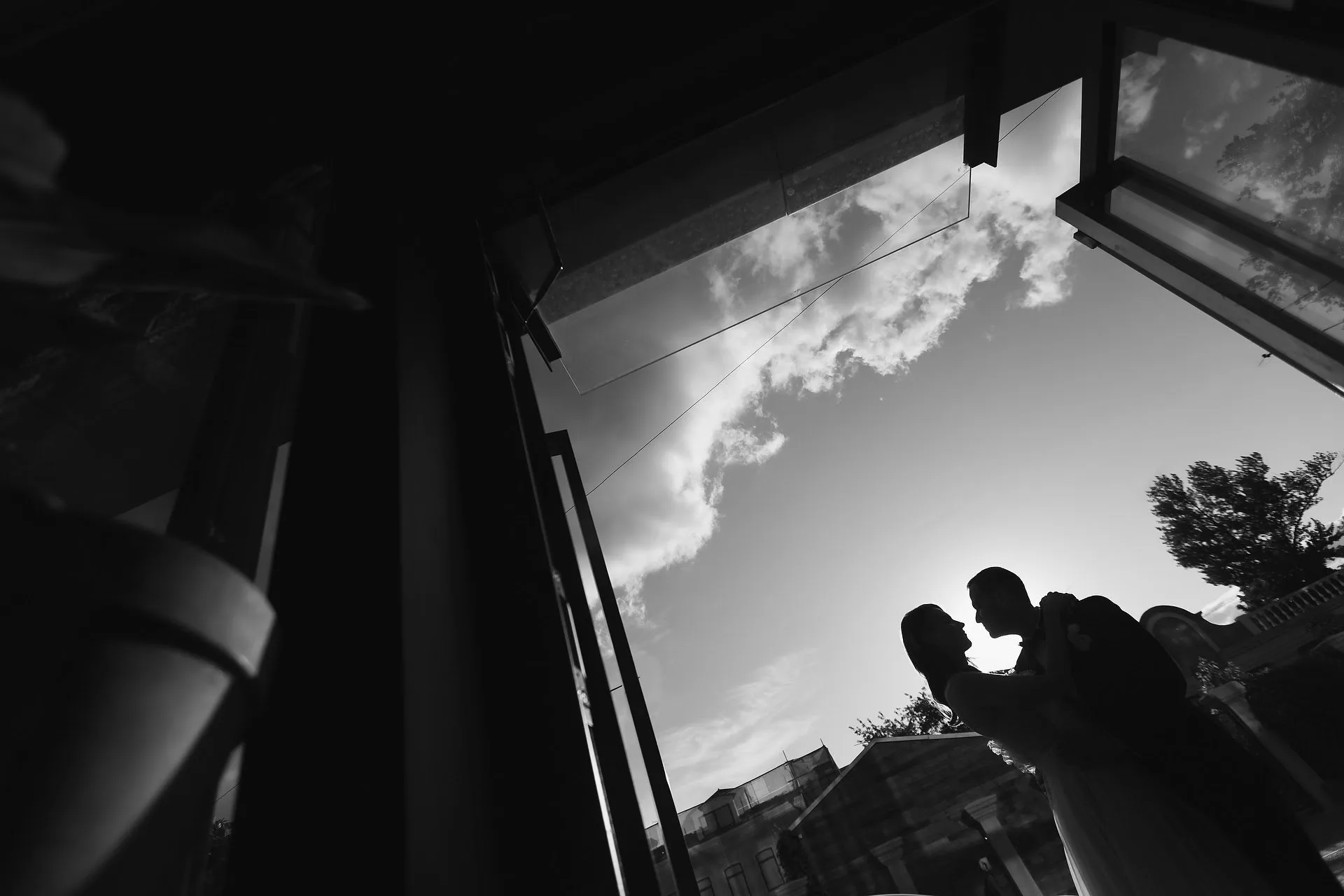
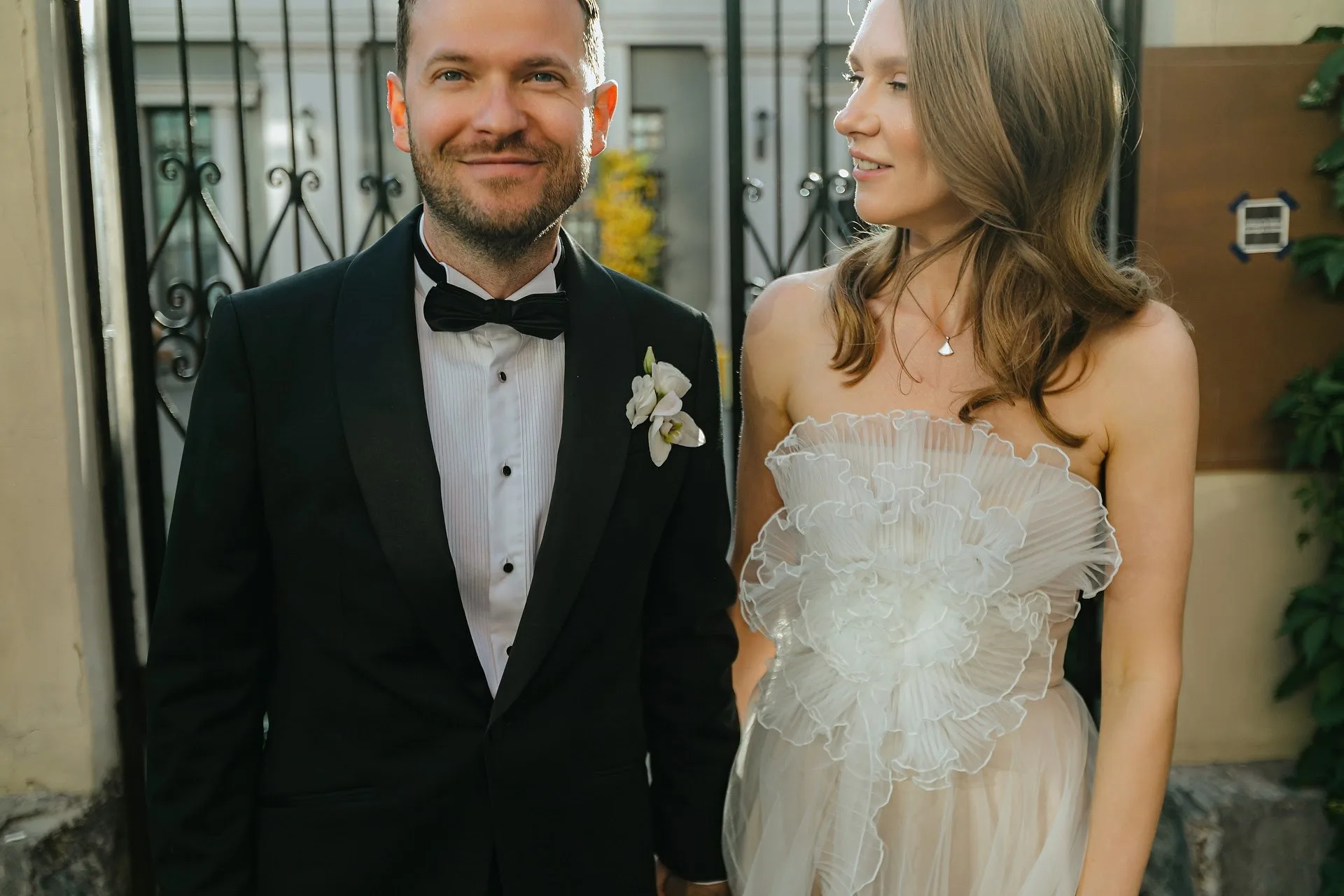
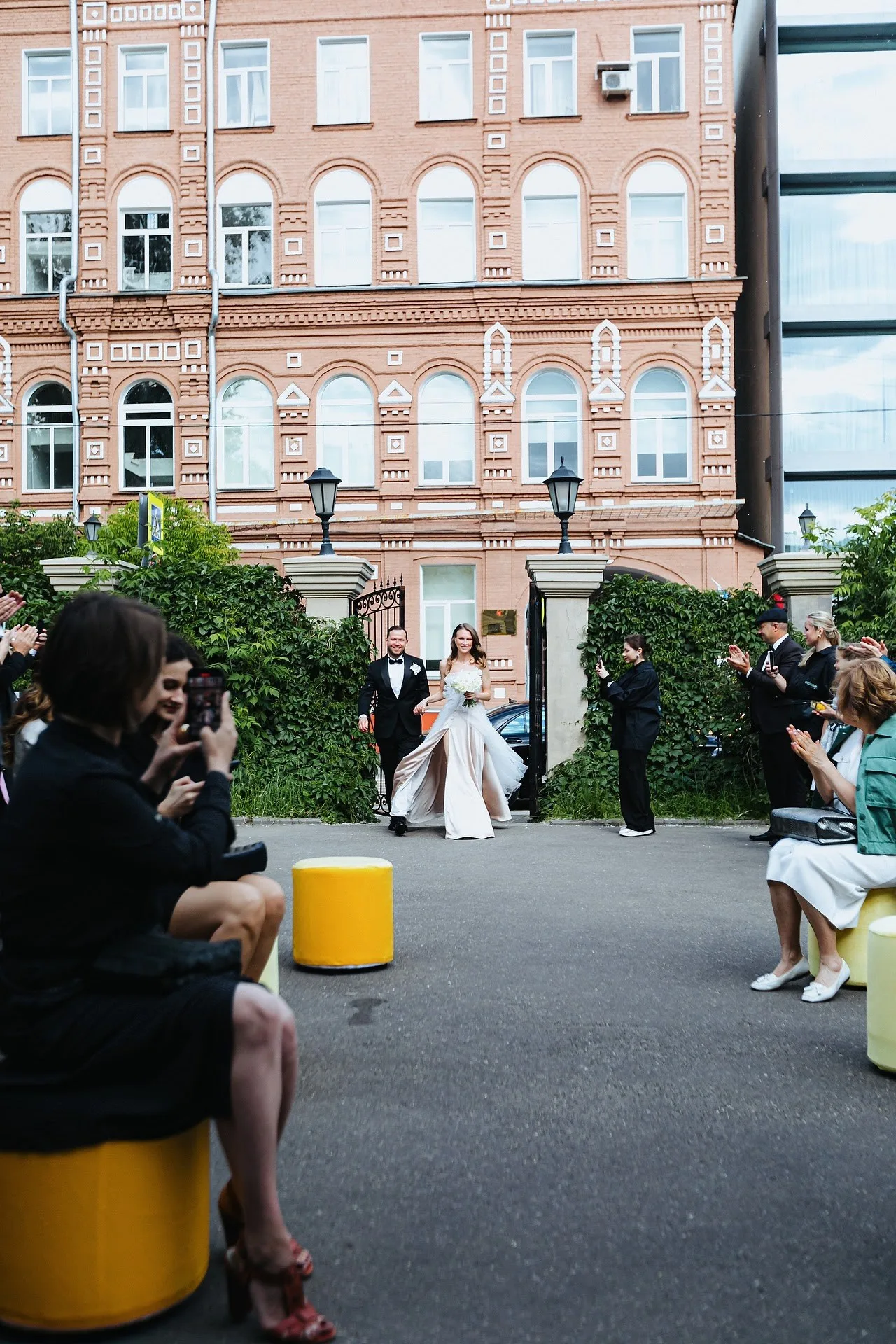
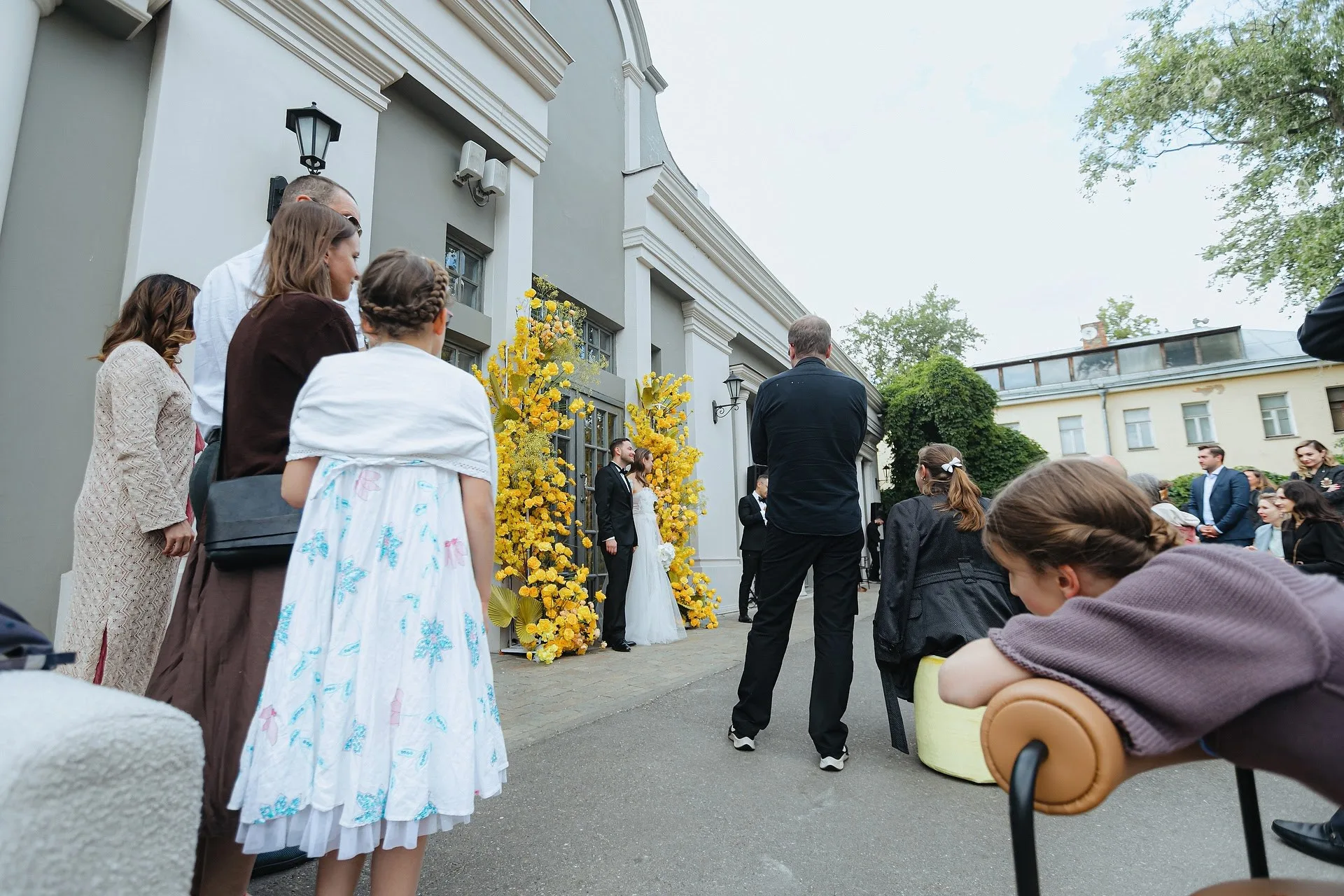
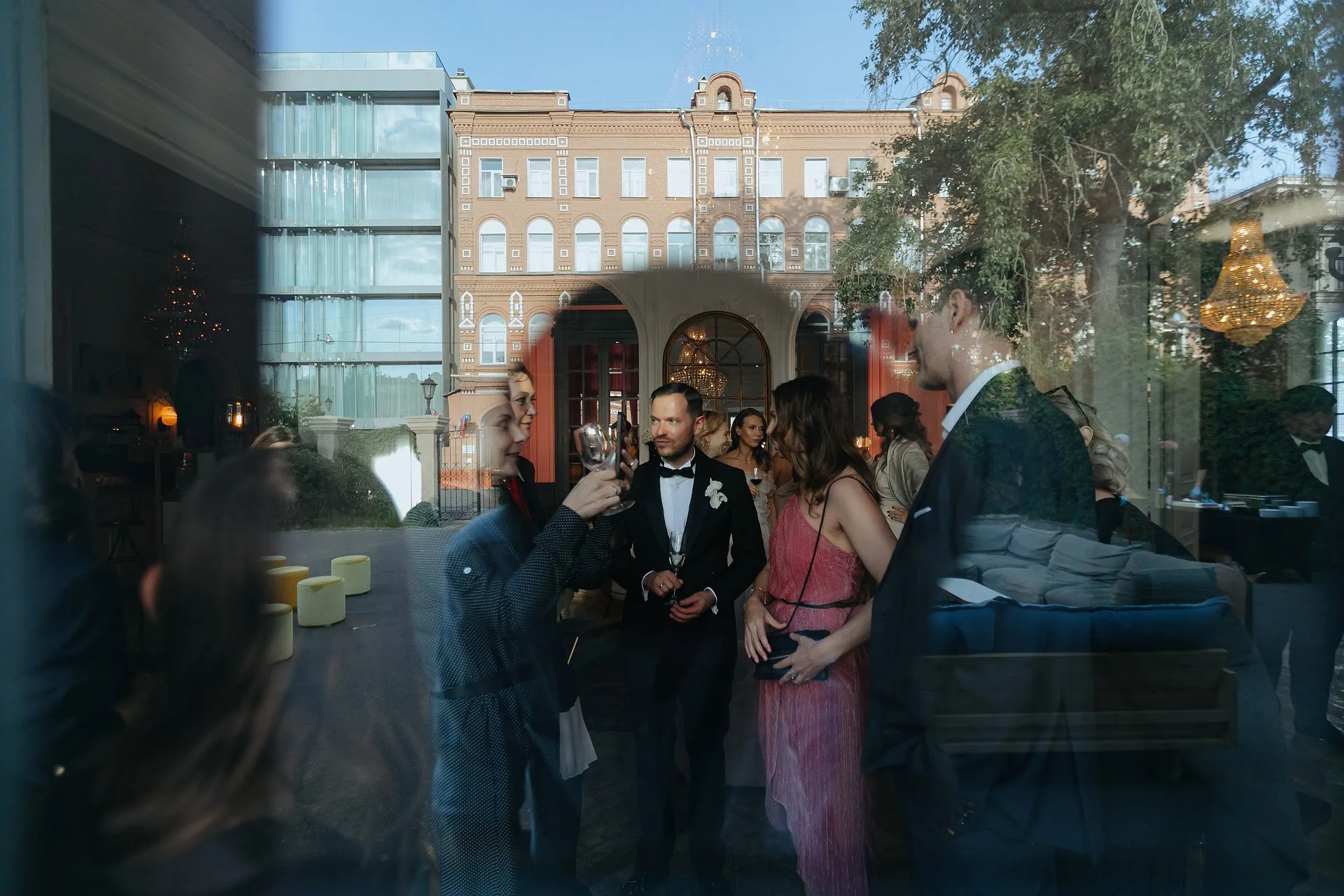
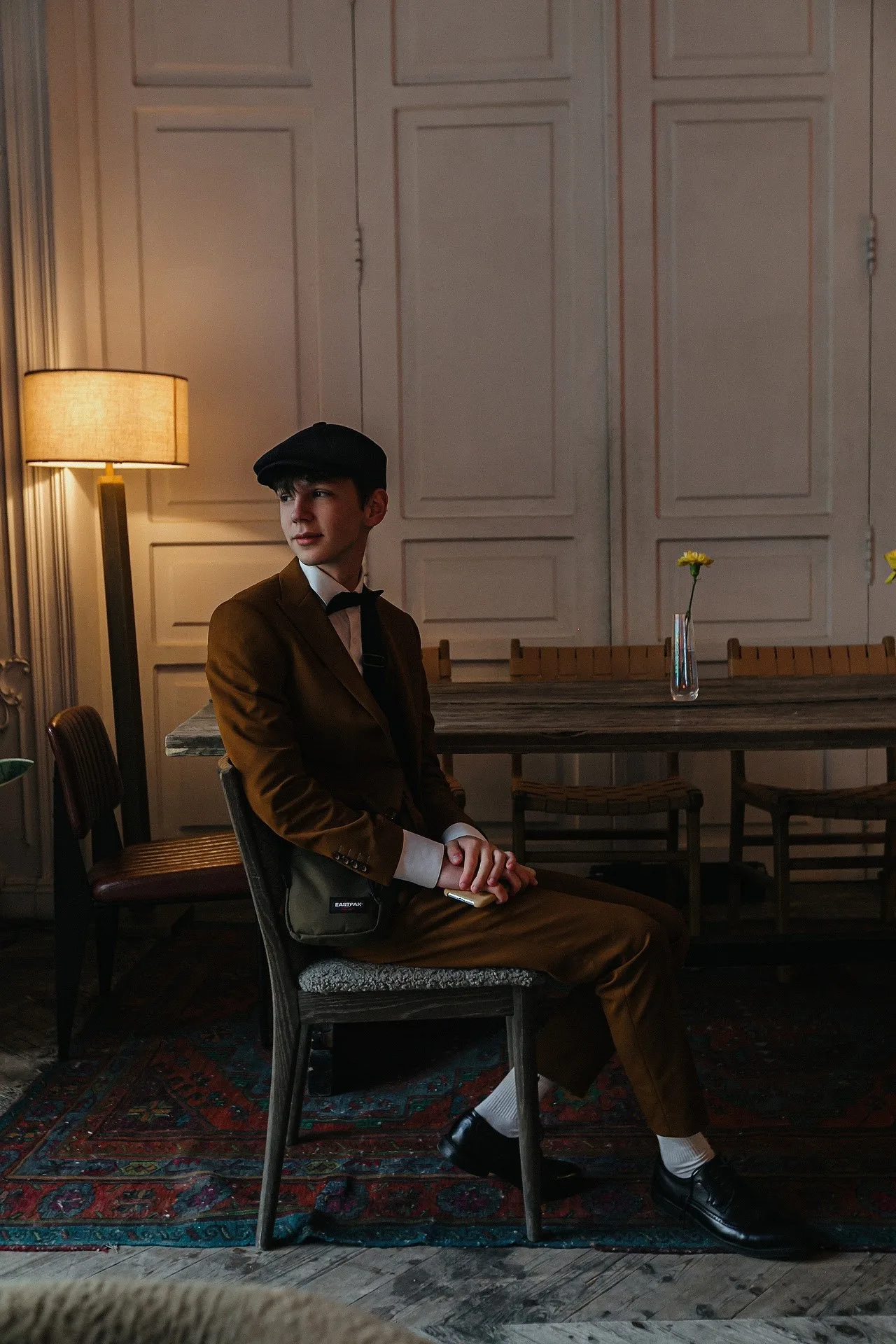
Dima and Elena celebrated their wedding in Moscow with almost no staging for the camera. Their brief was simple: photograph what happens and do it well. Making that work meant staying alert throughout the day, finding compositions quickly and recognising the small interactions that would hold the story together.
Watching for the next moment
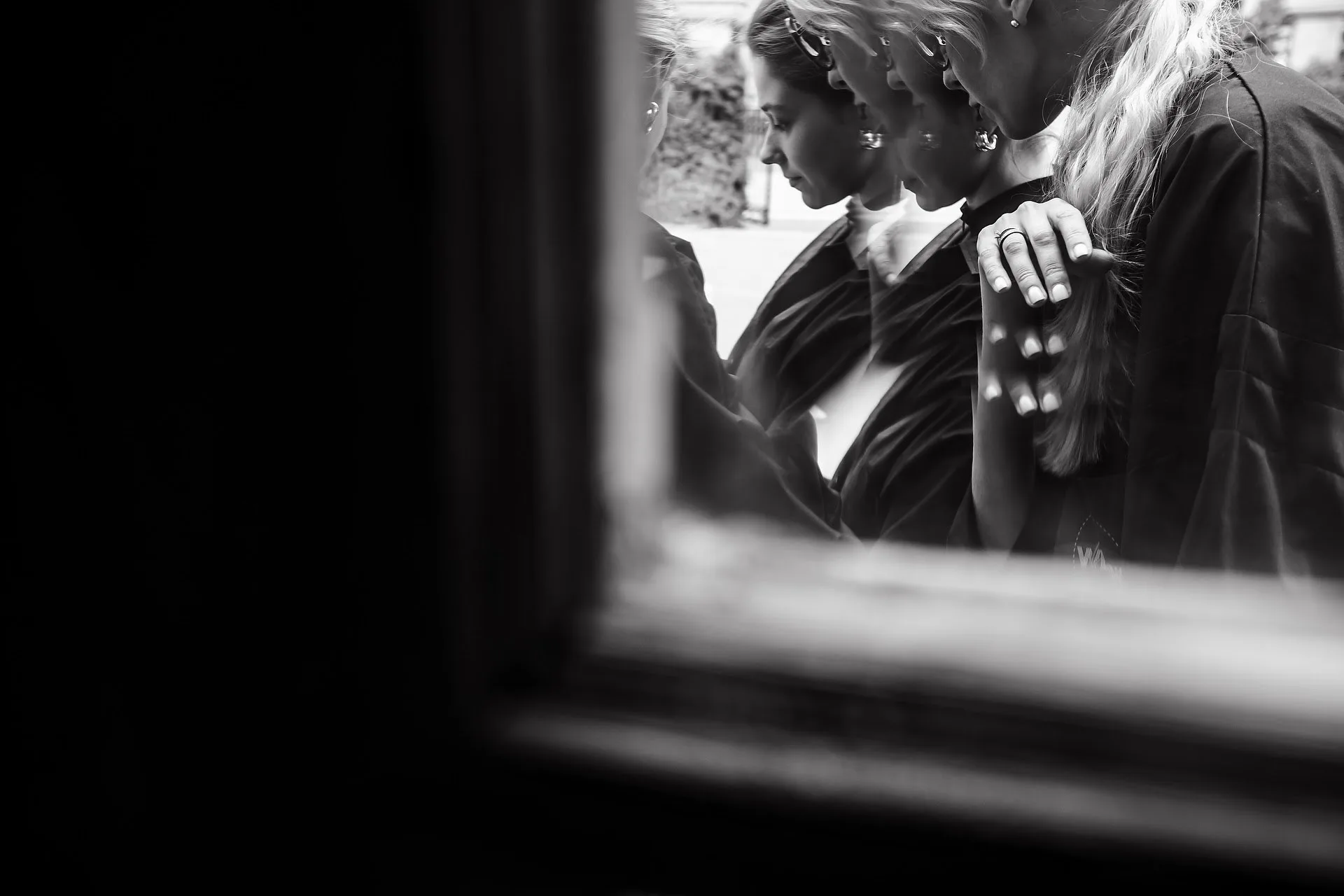
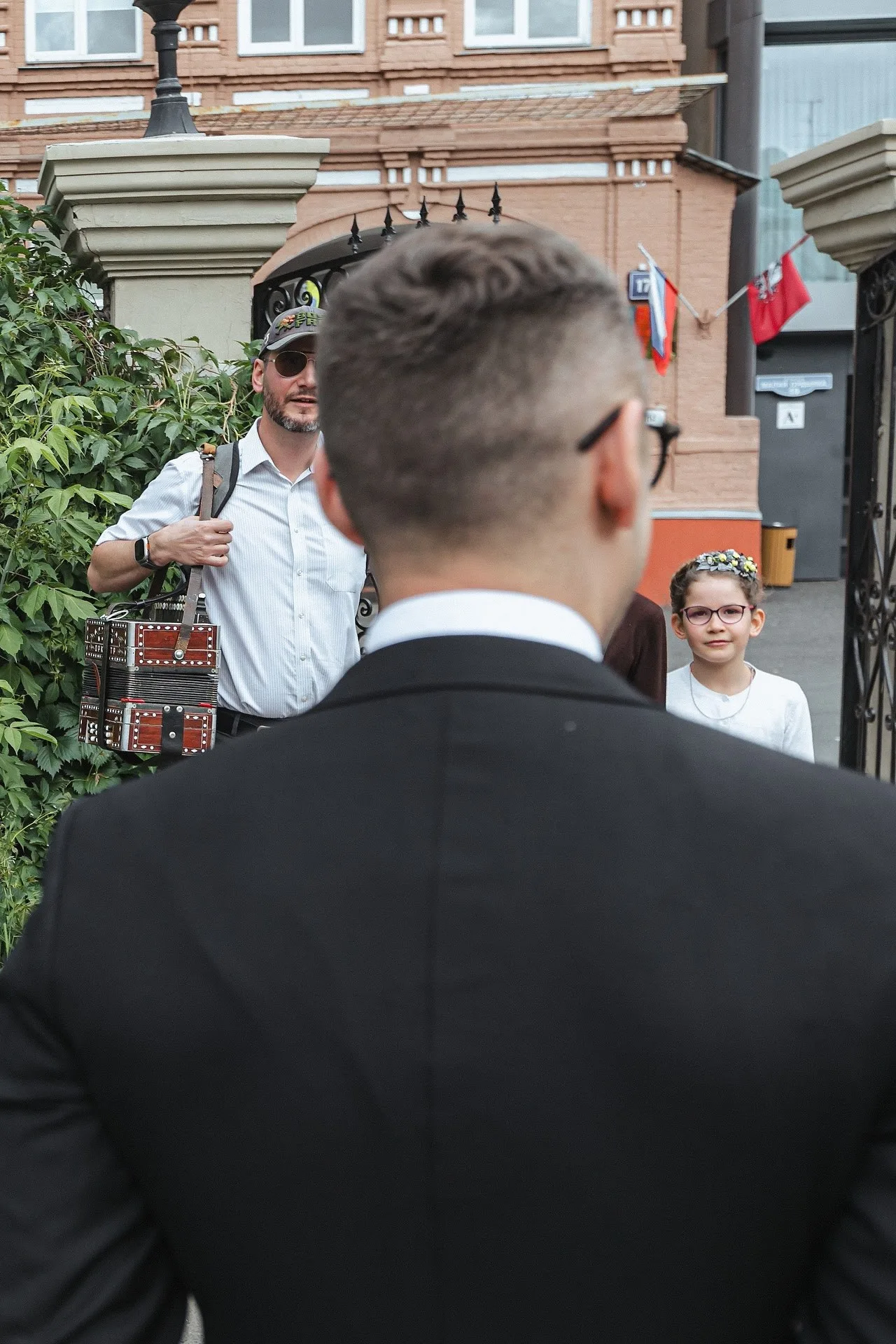
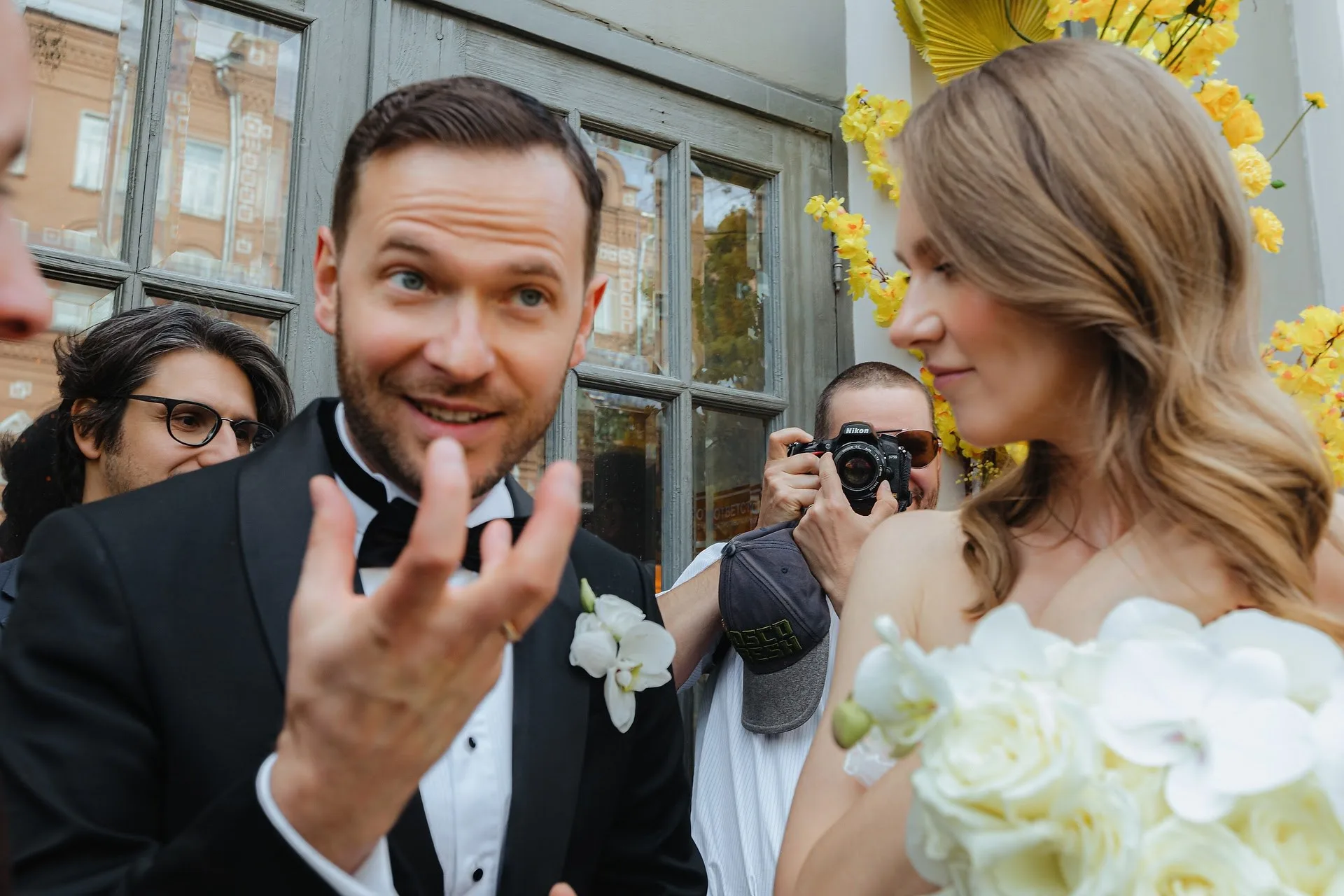
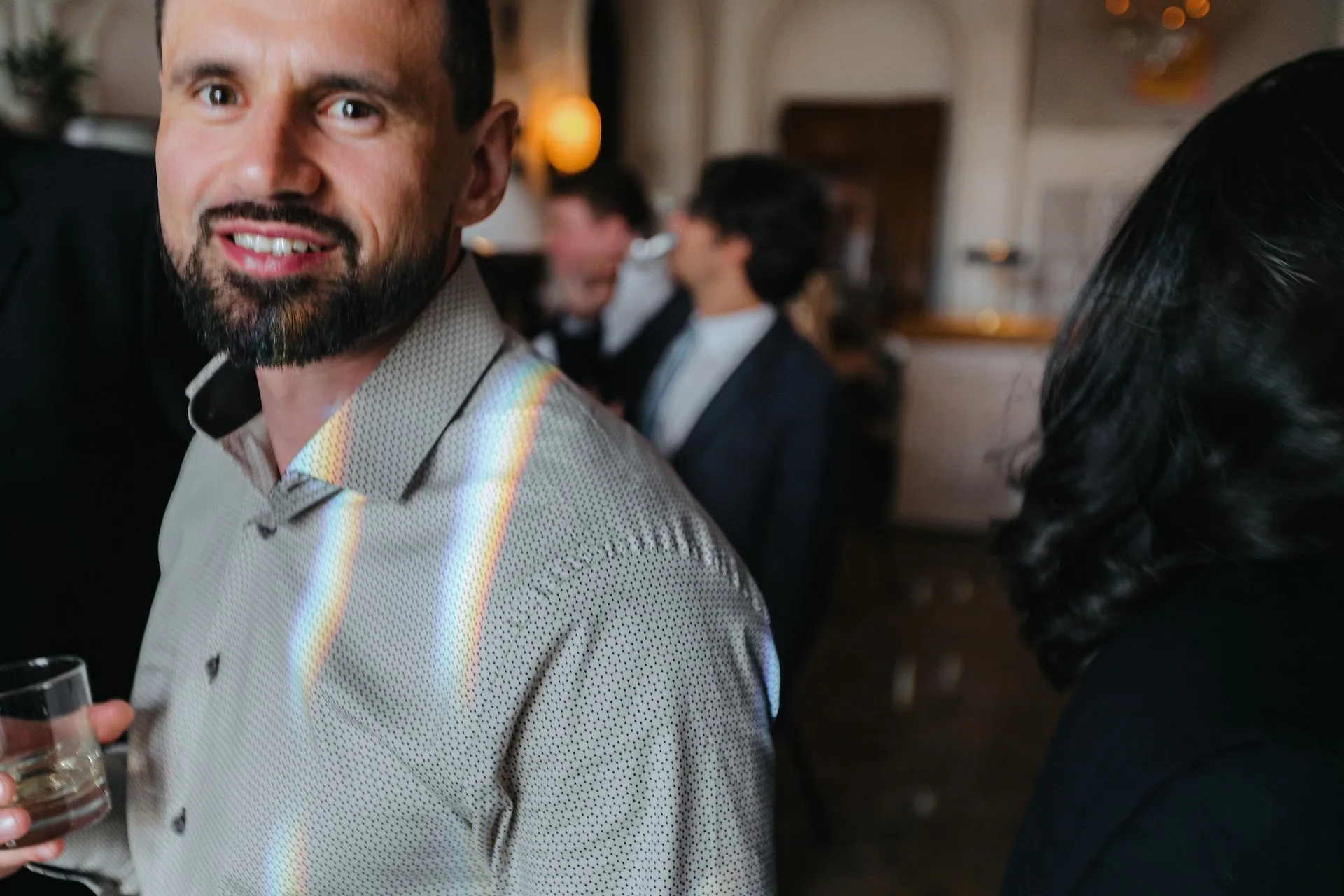
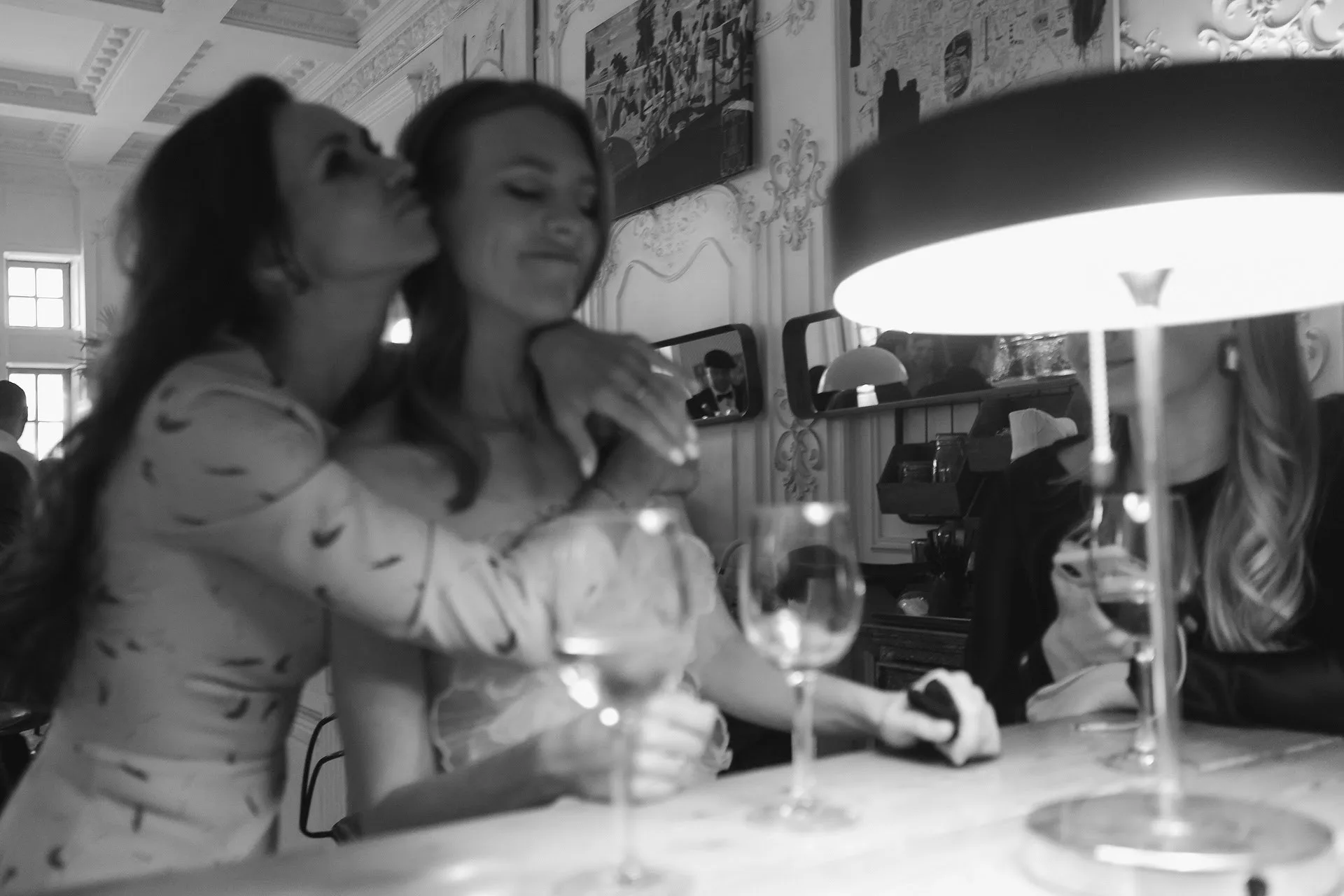
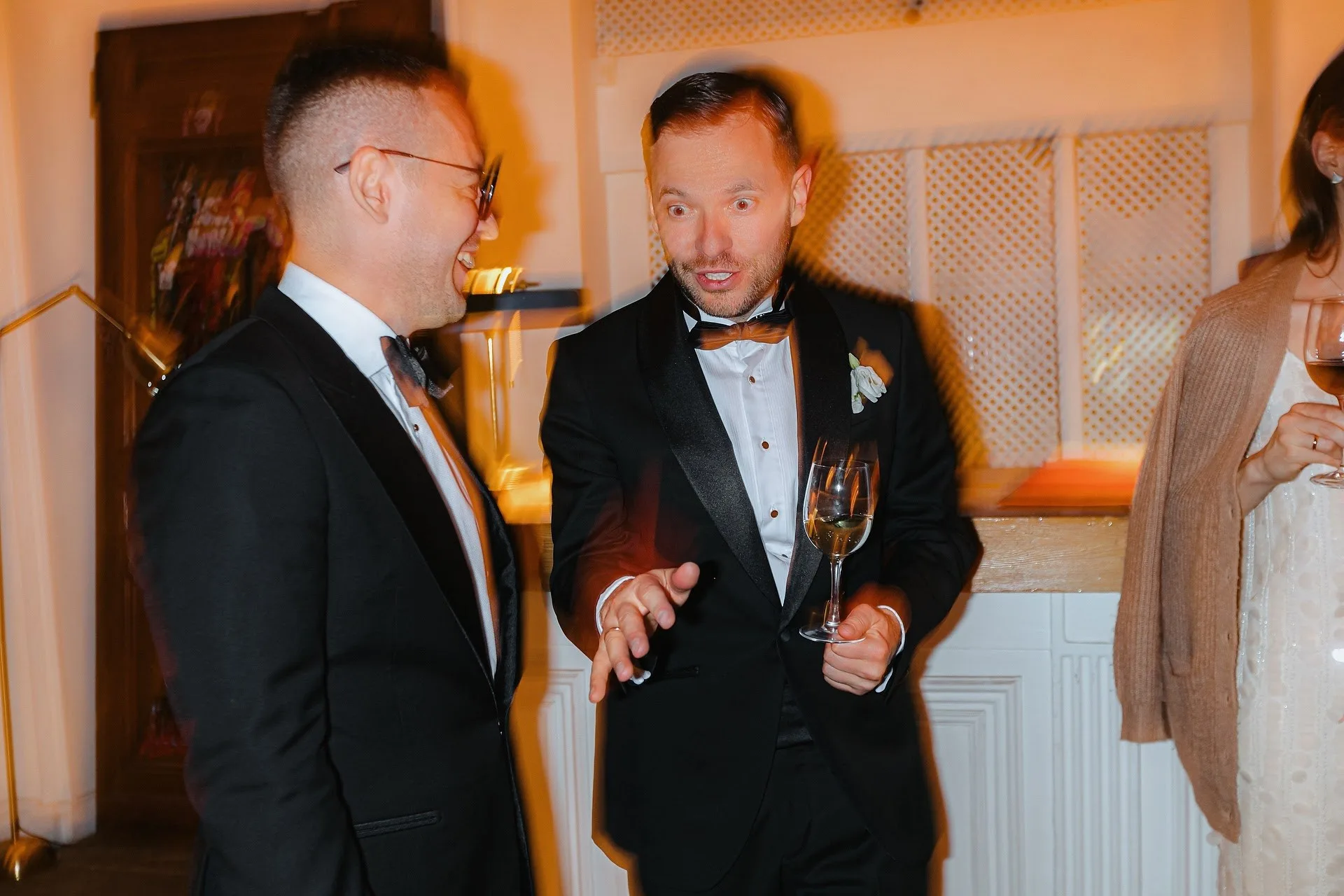
During a documentary wedding, a scene can change before you have time to explain what you saw. An expression, a gesture or a brief connection between people may last only a second. I need to choose my position and framing while watching what is likely to happen next.
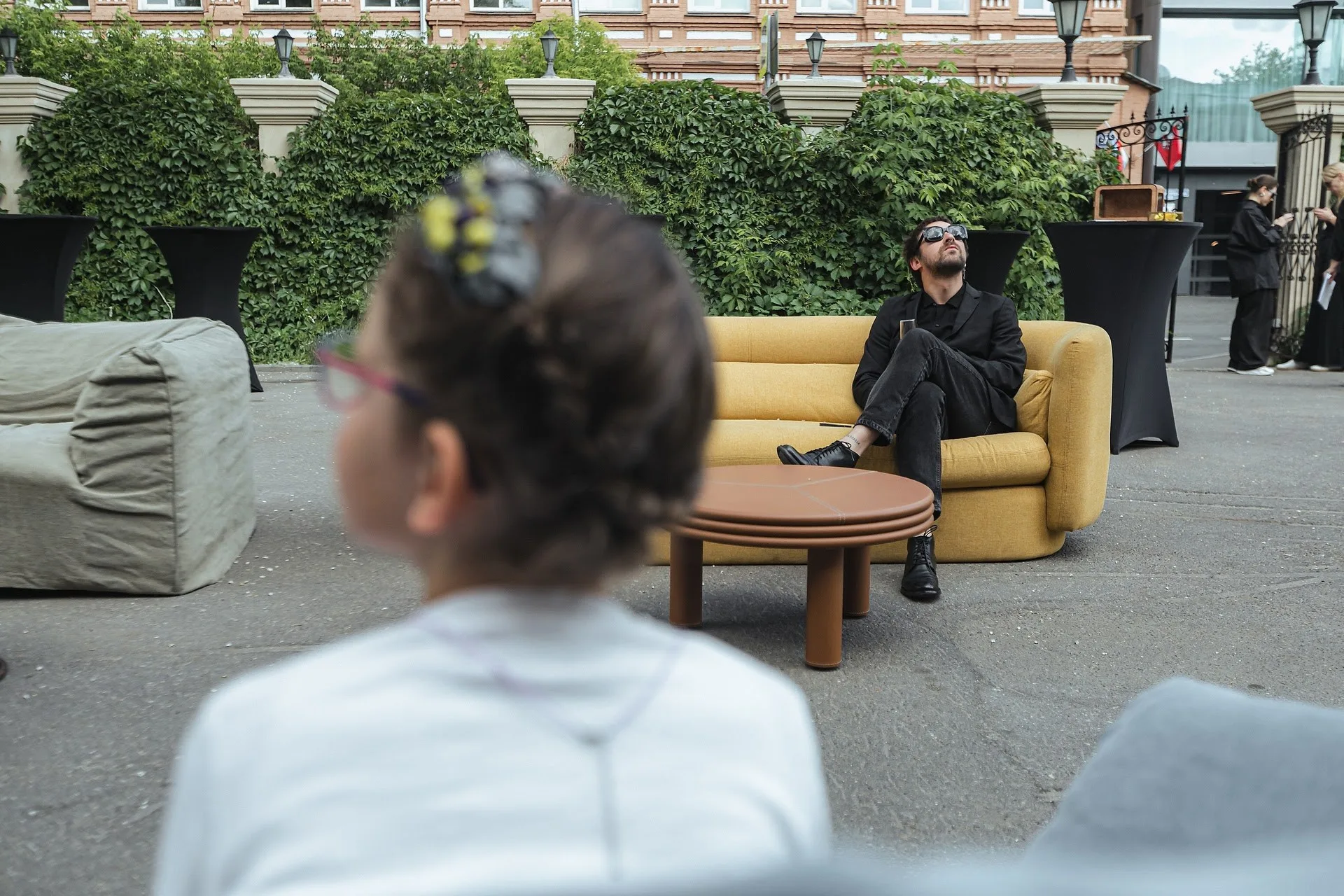
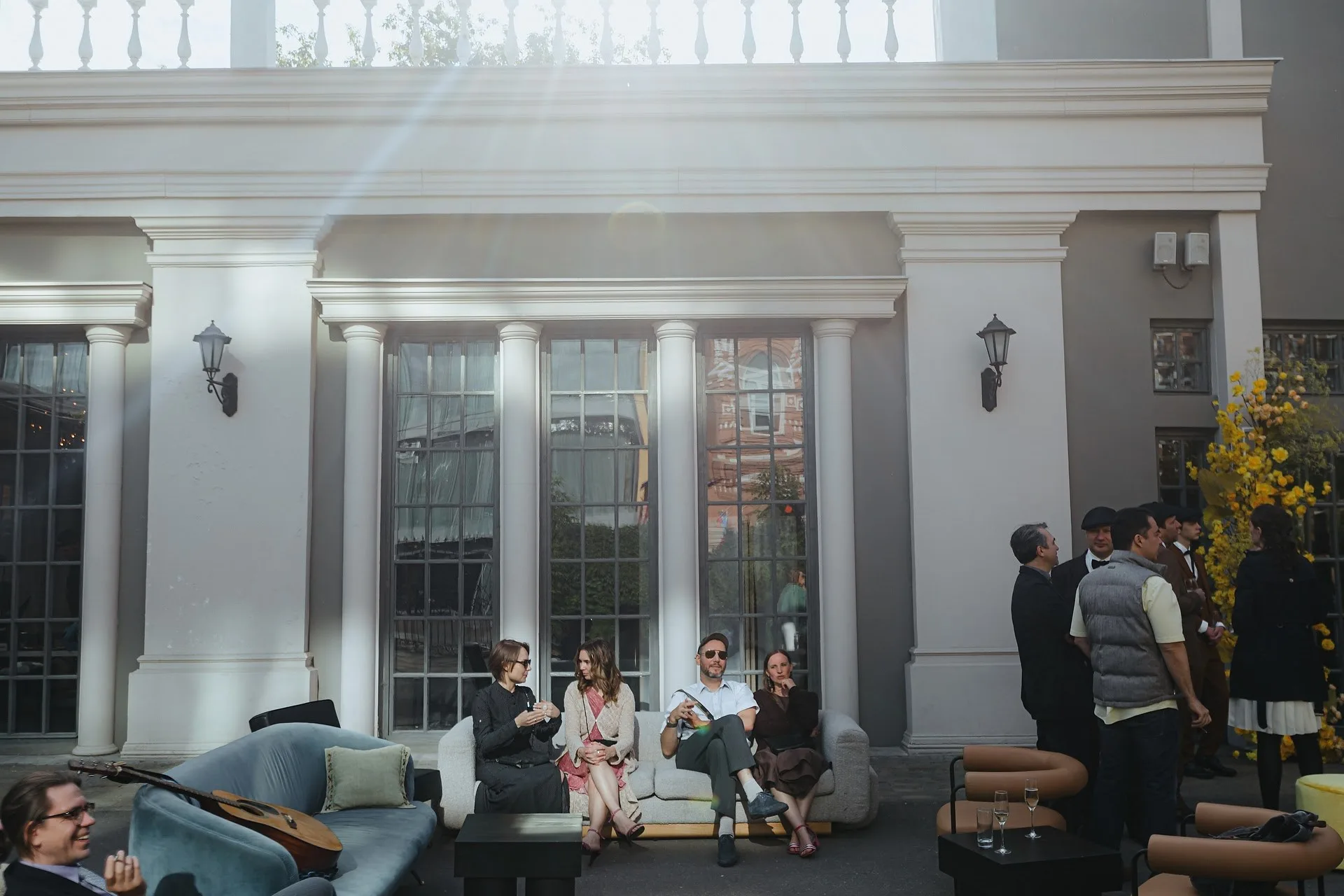
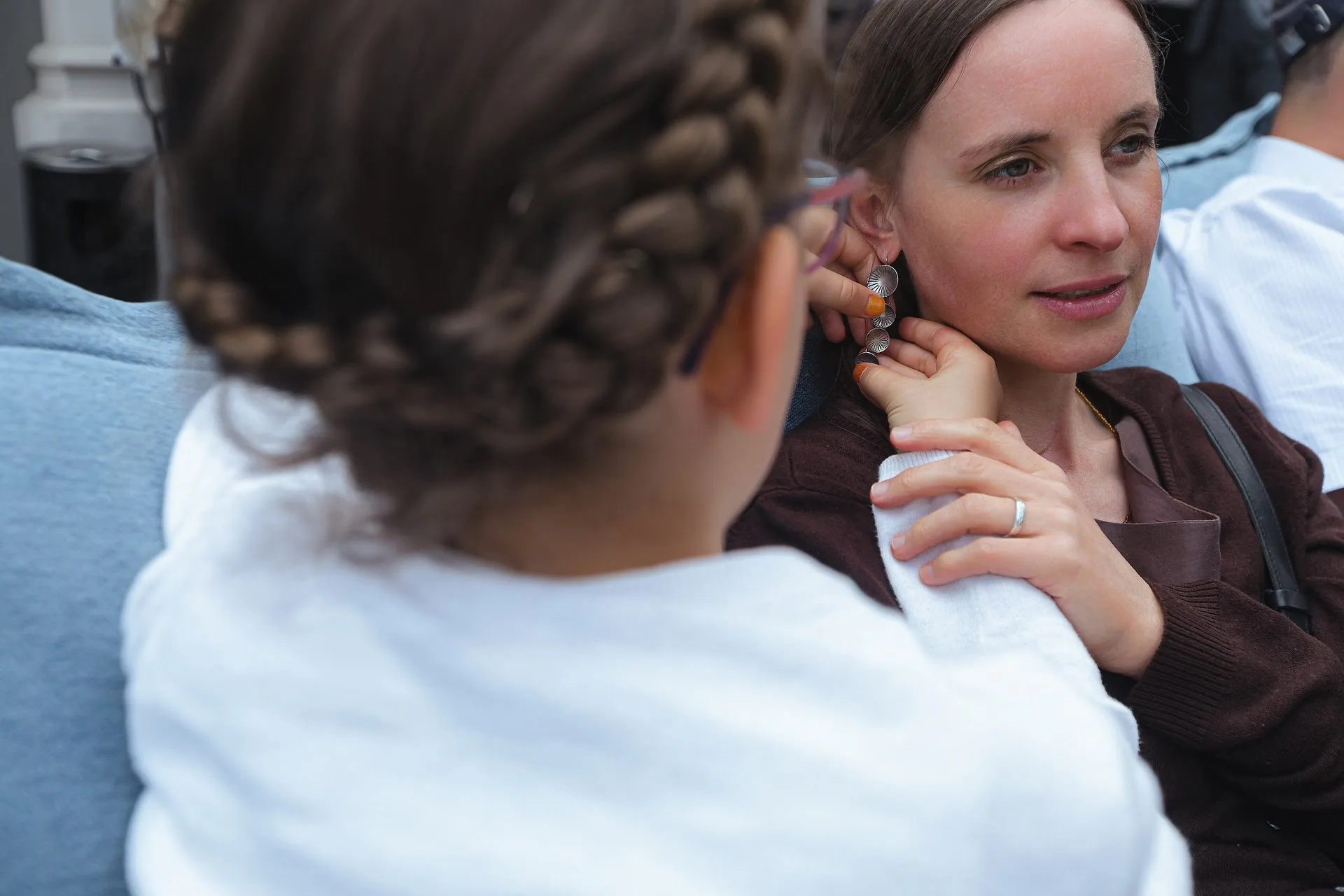
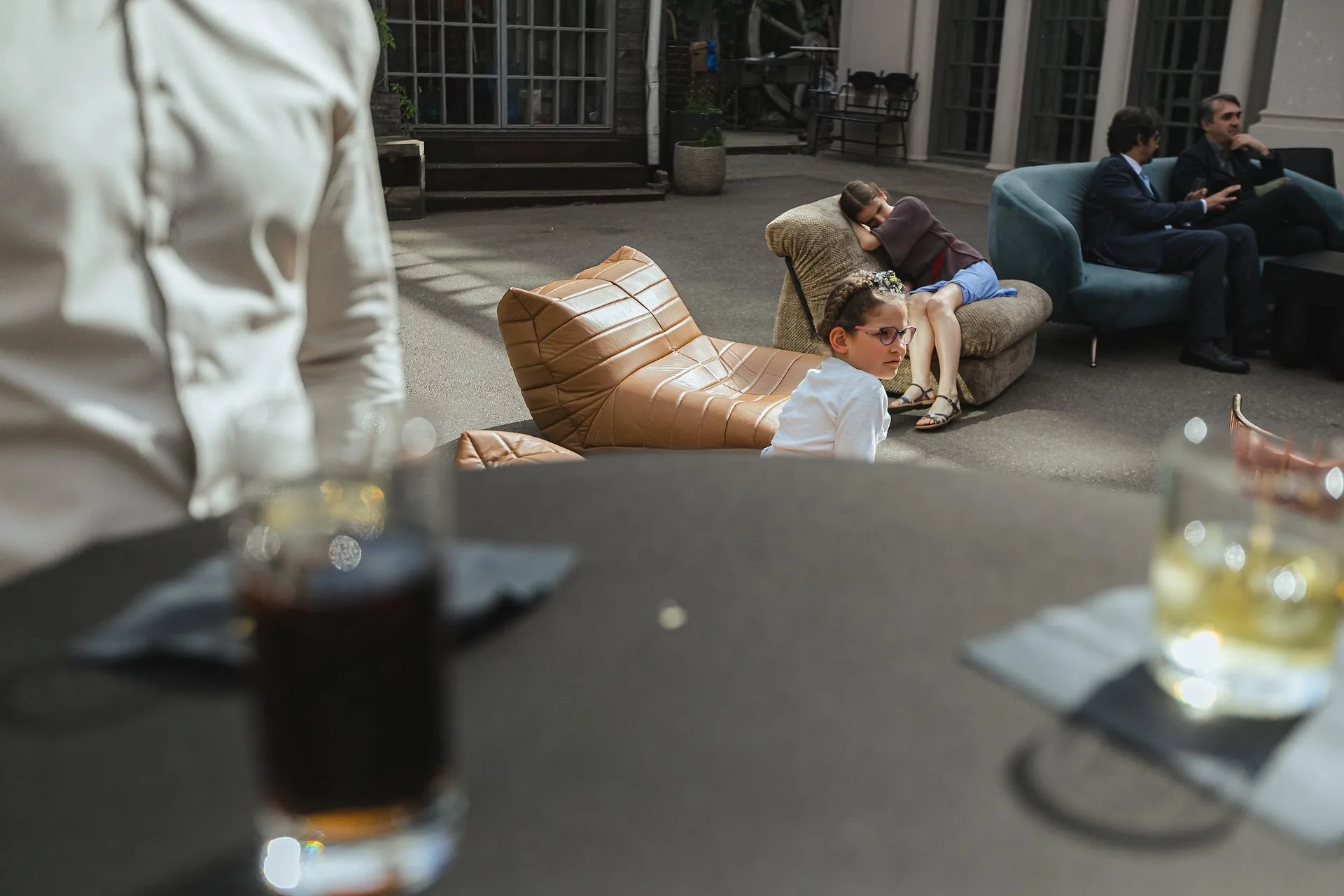
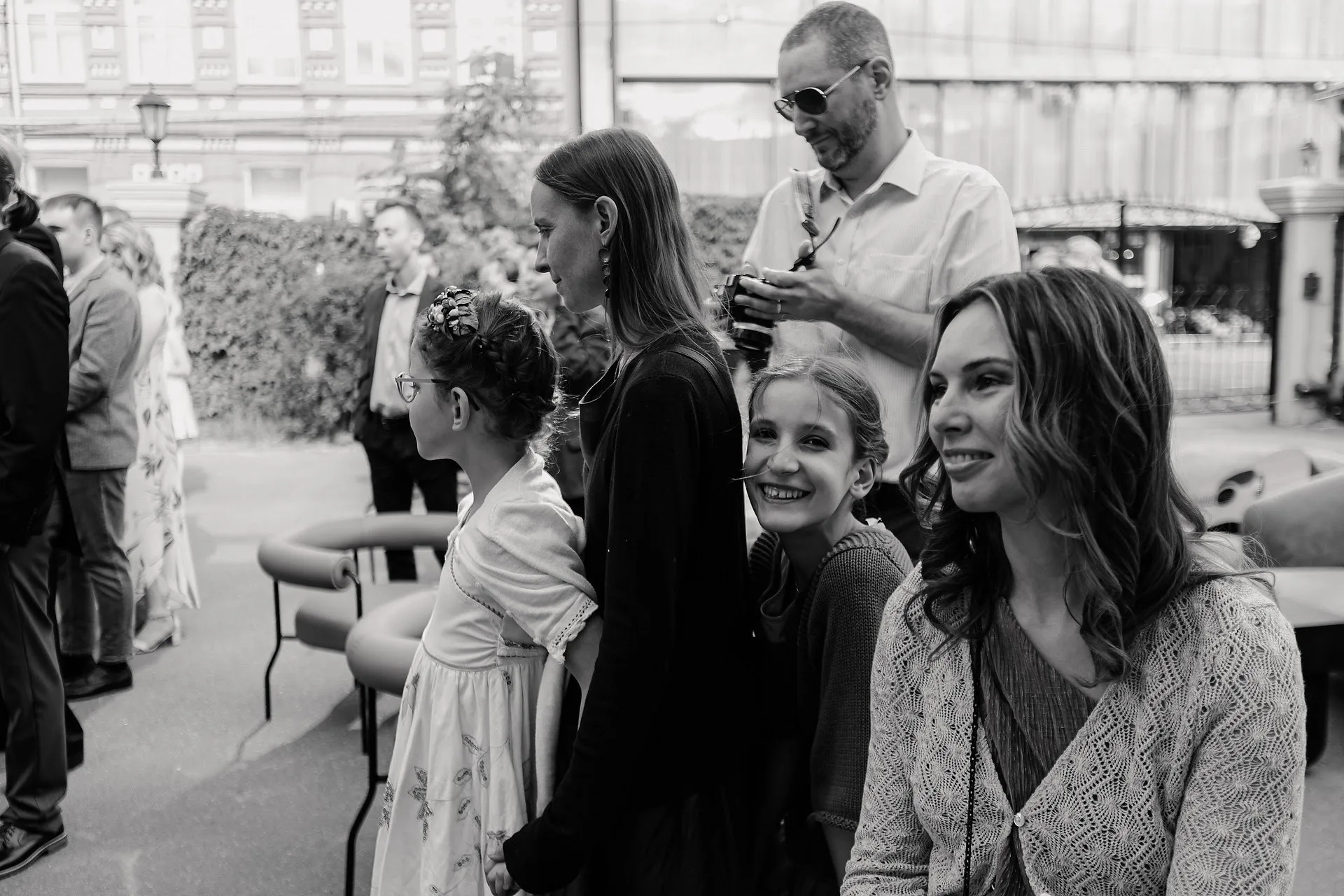
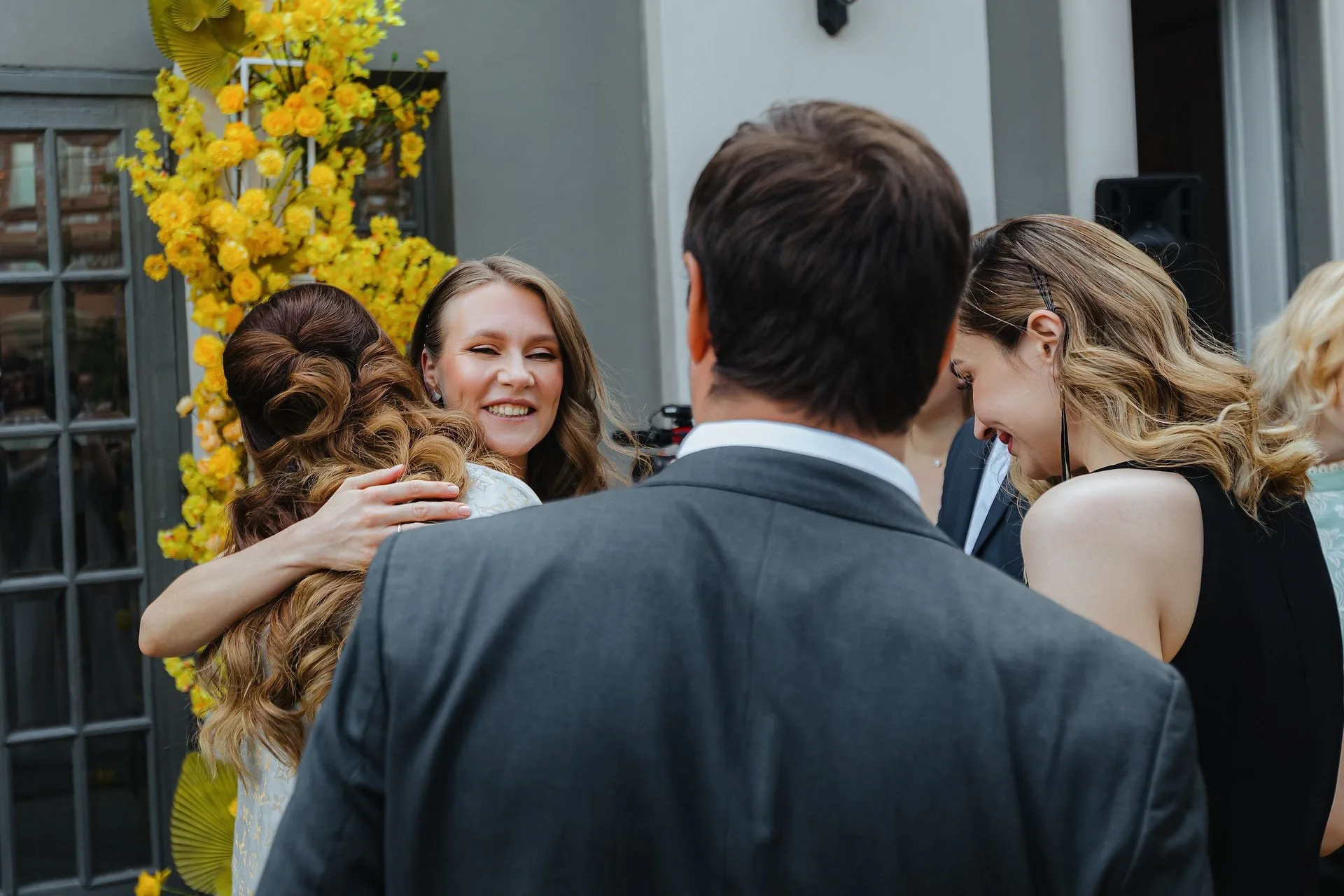
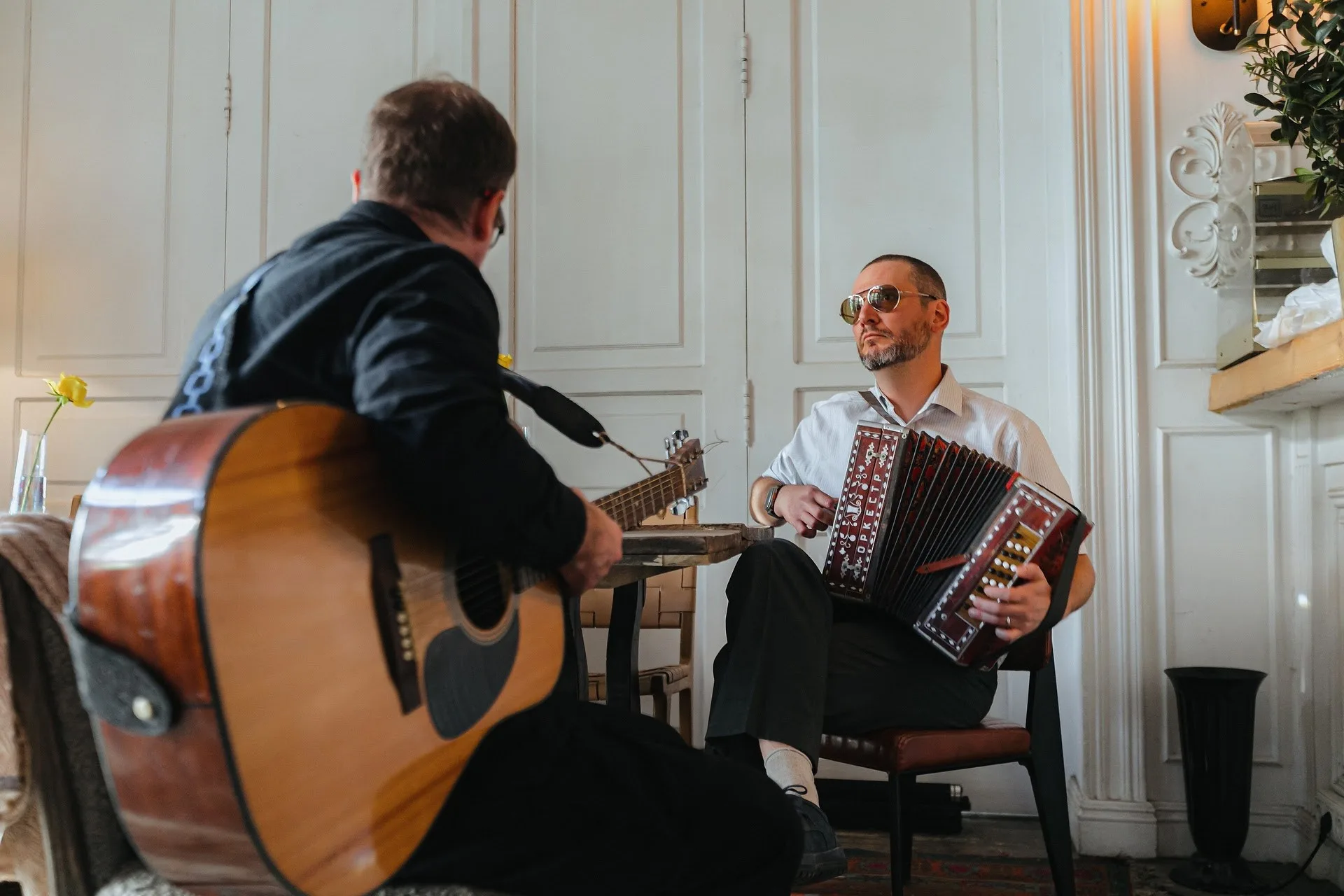
The difficult parts are often the apparently uneventful ones. People are talking, having a drink or waiting for the next part of the programme. Within that pause, several small stories may be happening at once. Deciding which one to follow takes concentration, especially when the strongest photograph depends on two people reacting to each other.
At Dima and Elena’s wedding, that attention was the core of my work. I could not rely on repeatedly arranging people or asking them to recreate a moment. The photographs had to come from the day as it unfolded.
Composition while the scene keeps moving
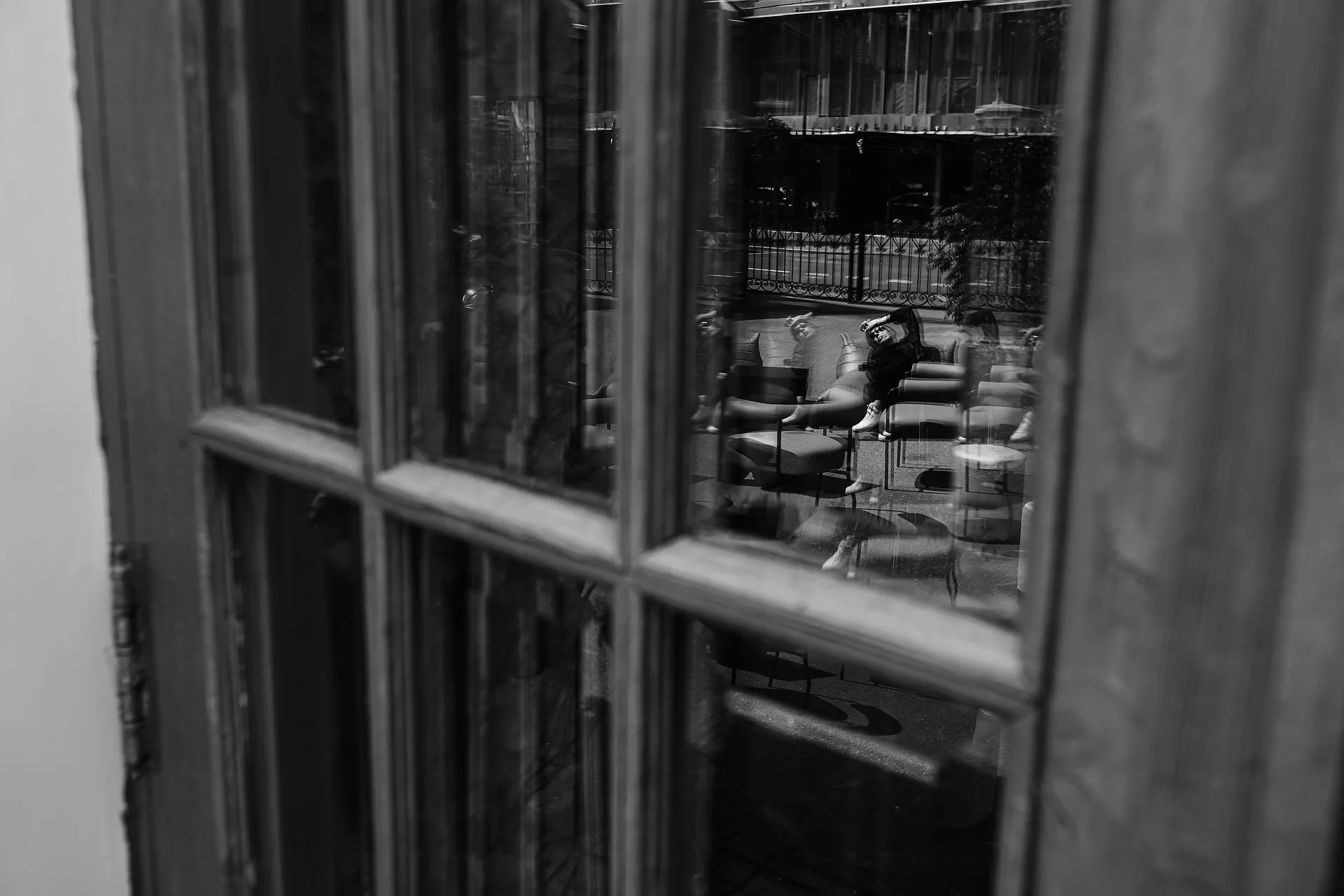
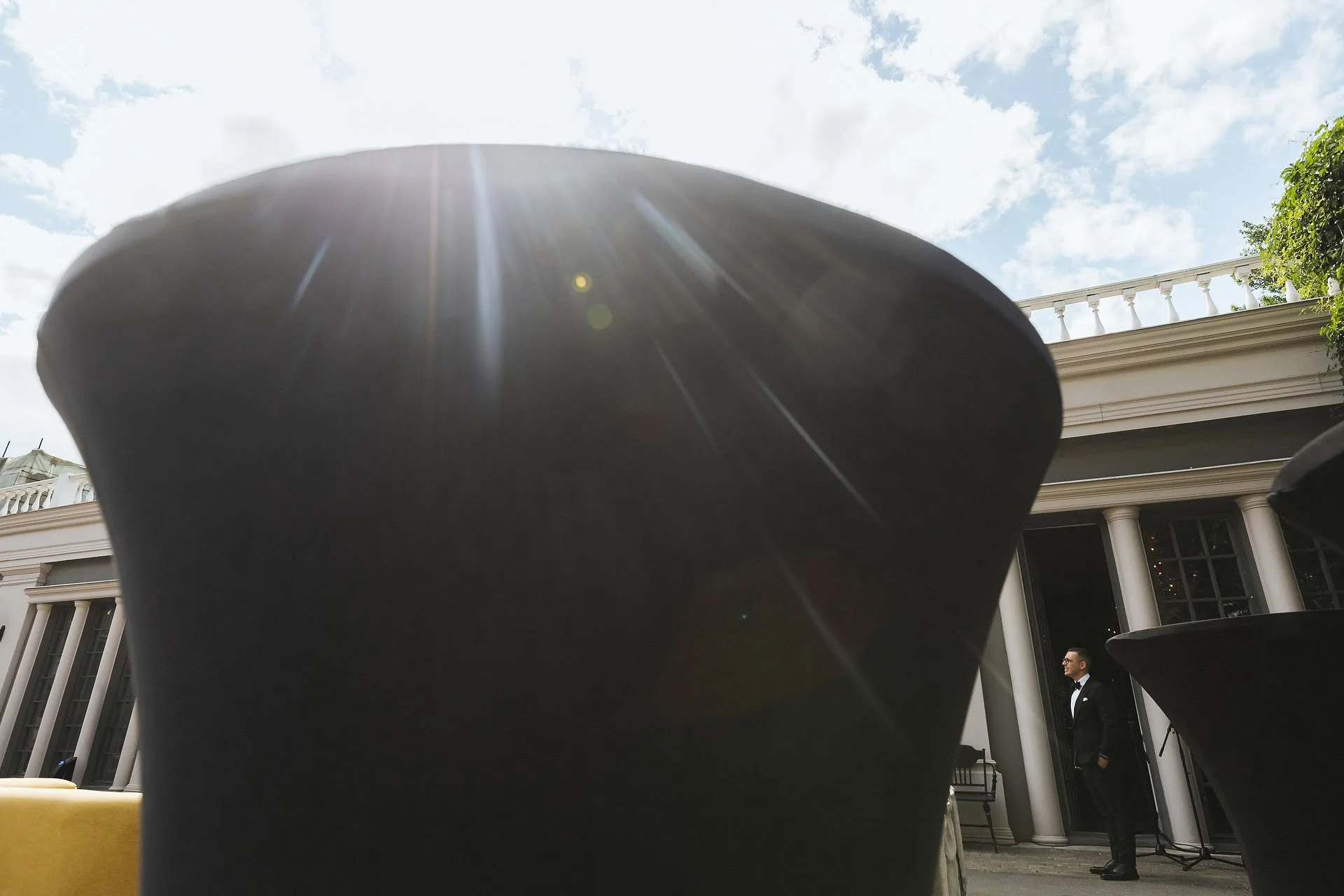
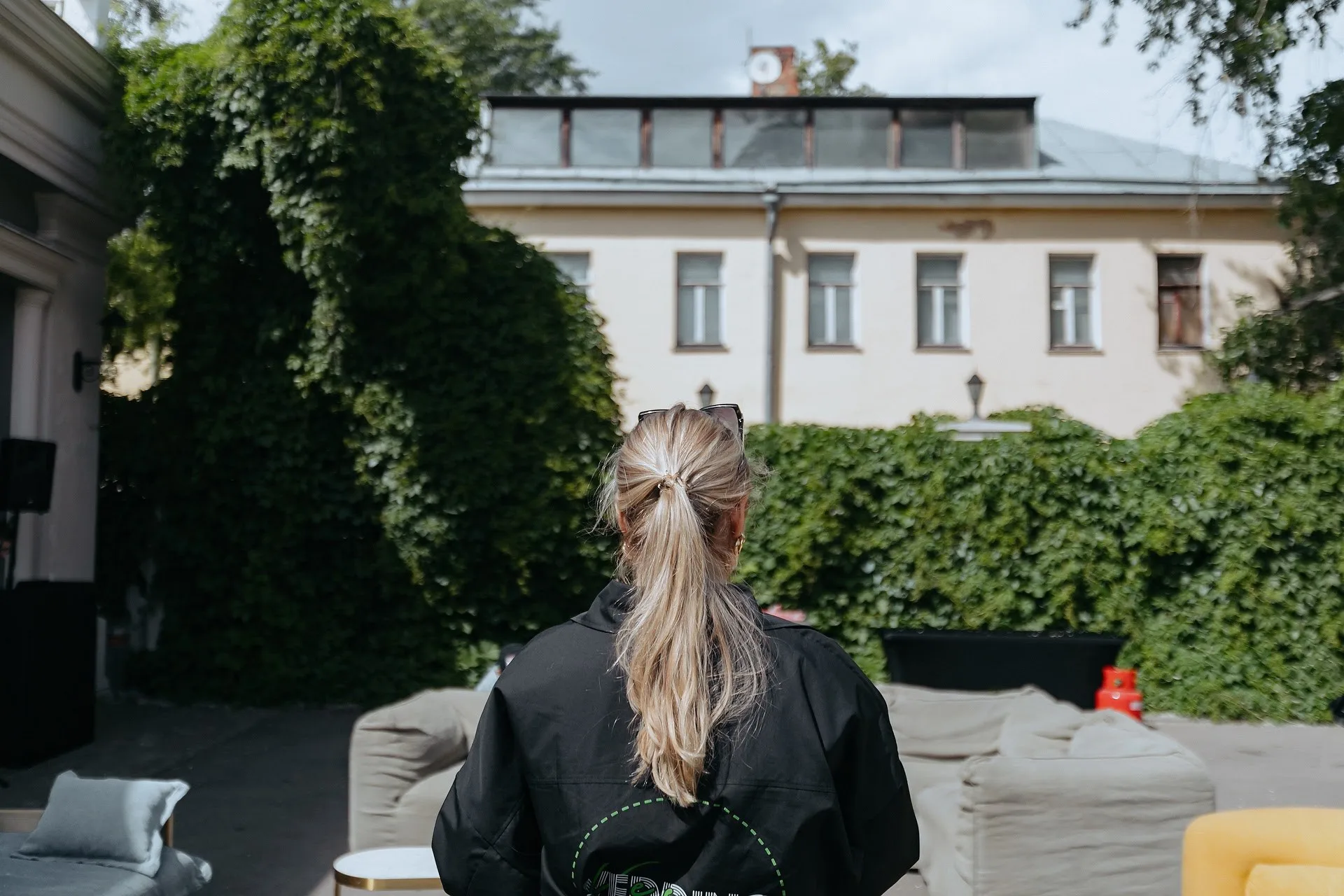
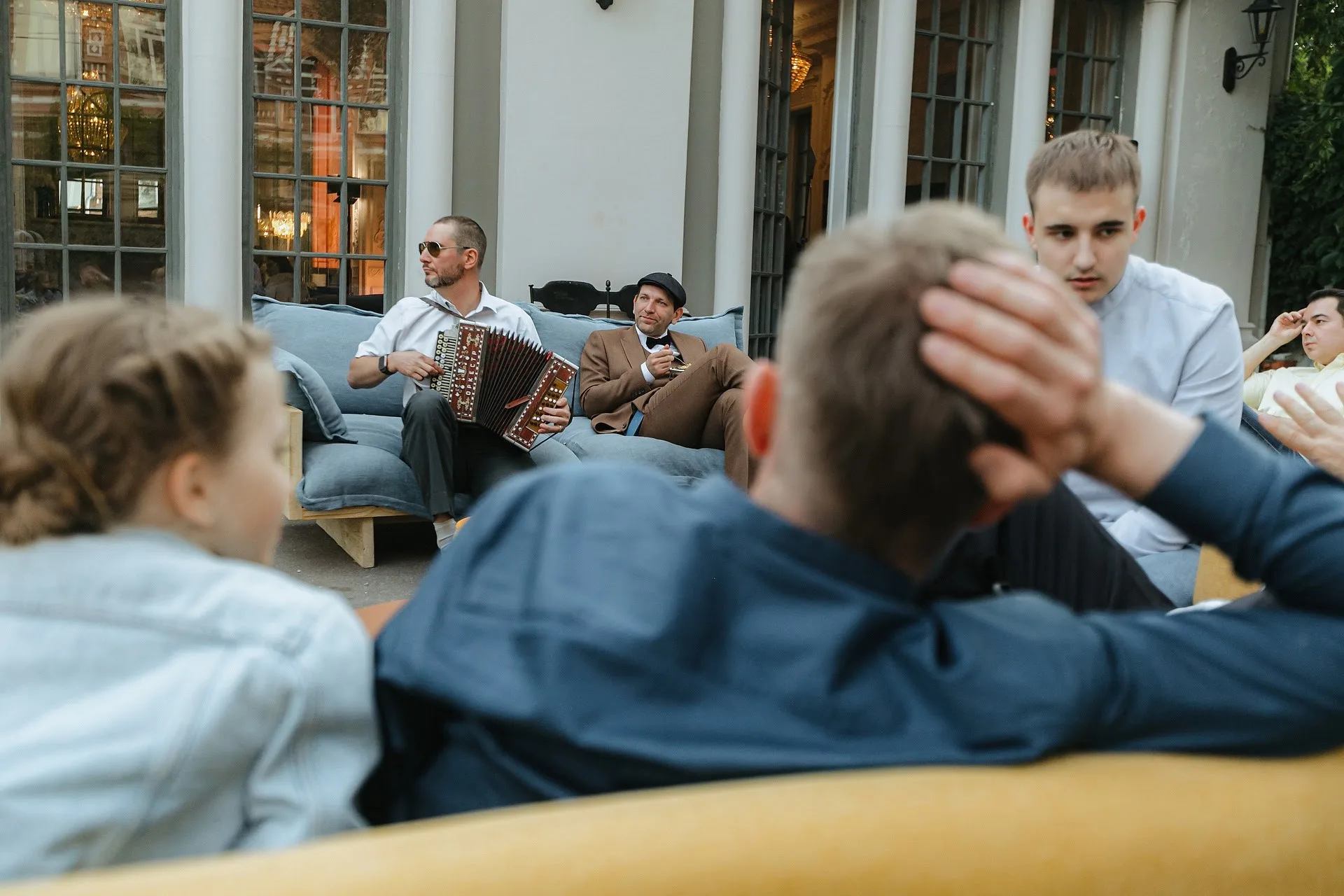
Observation is only part of the job. I also have to decide what belongs inside the frame: where the light falls, how people overlap and whether the surroundings help explain the moment. A different position can turn a confusing scene into a clear photograph without asking anyone to stop.
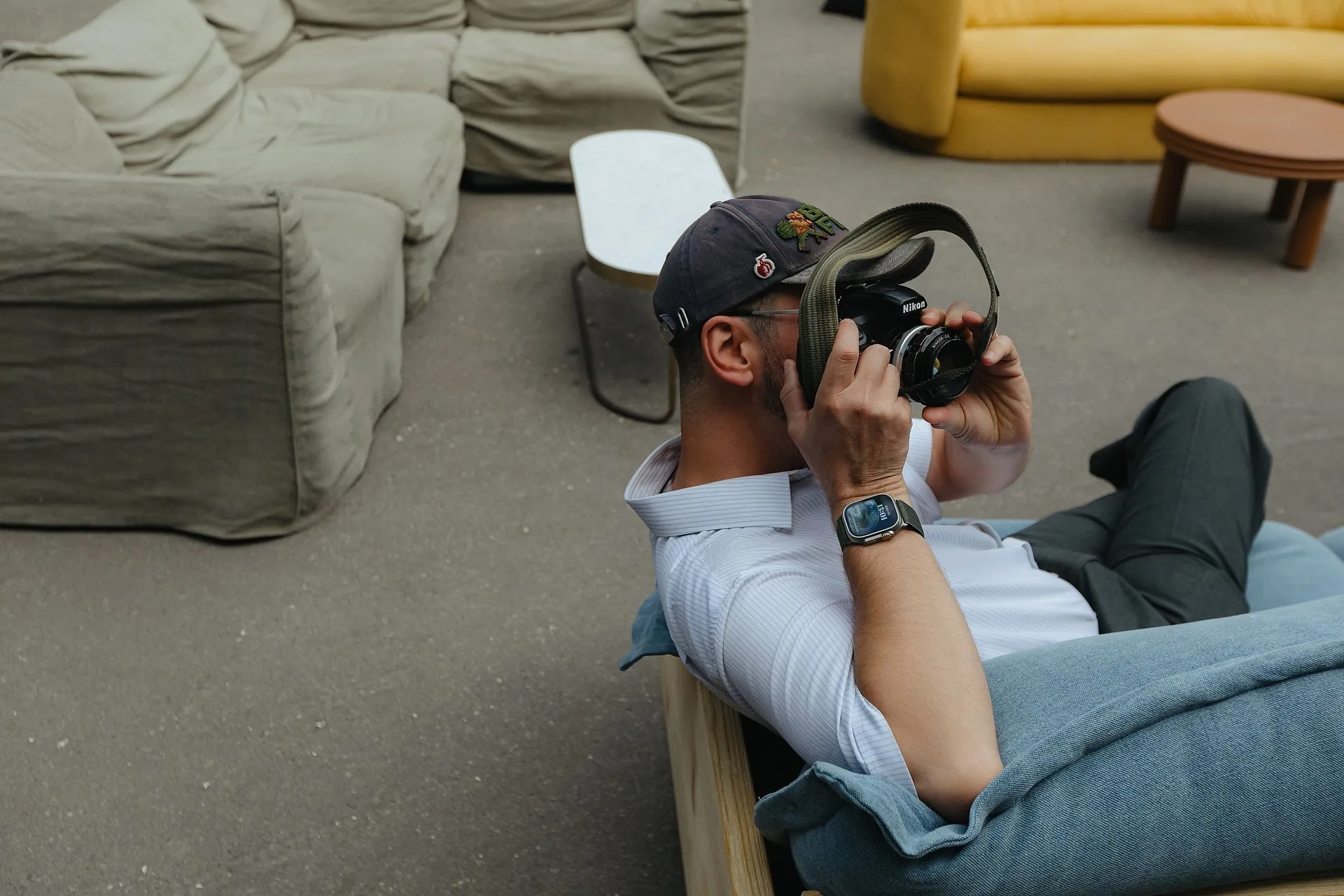
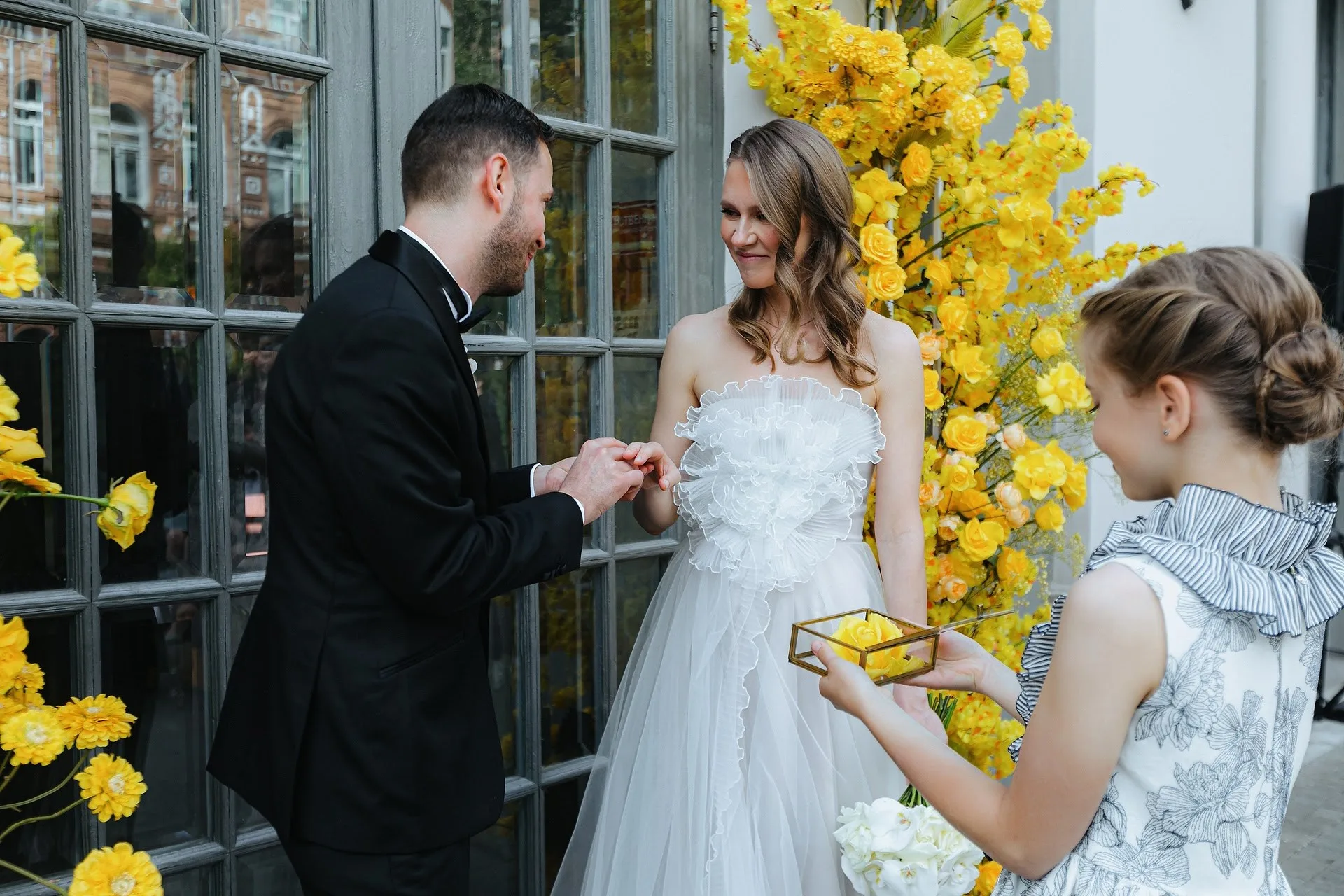
I look for relationships between foreground and background, gestures that echo each other and details that become meaningful beside another image. These decisions happen during the shoot and continue when I edit the sequence. They are what give a documentary gallery its visual rhythm.
How the photographs work together
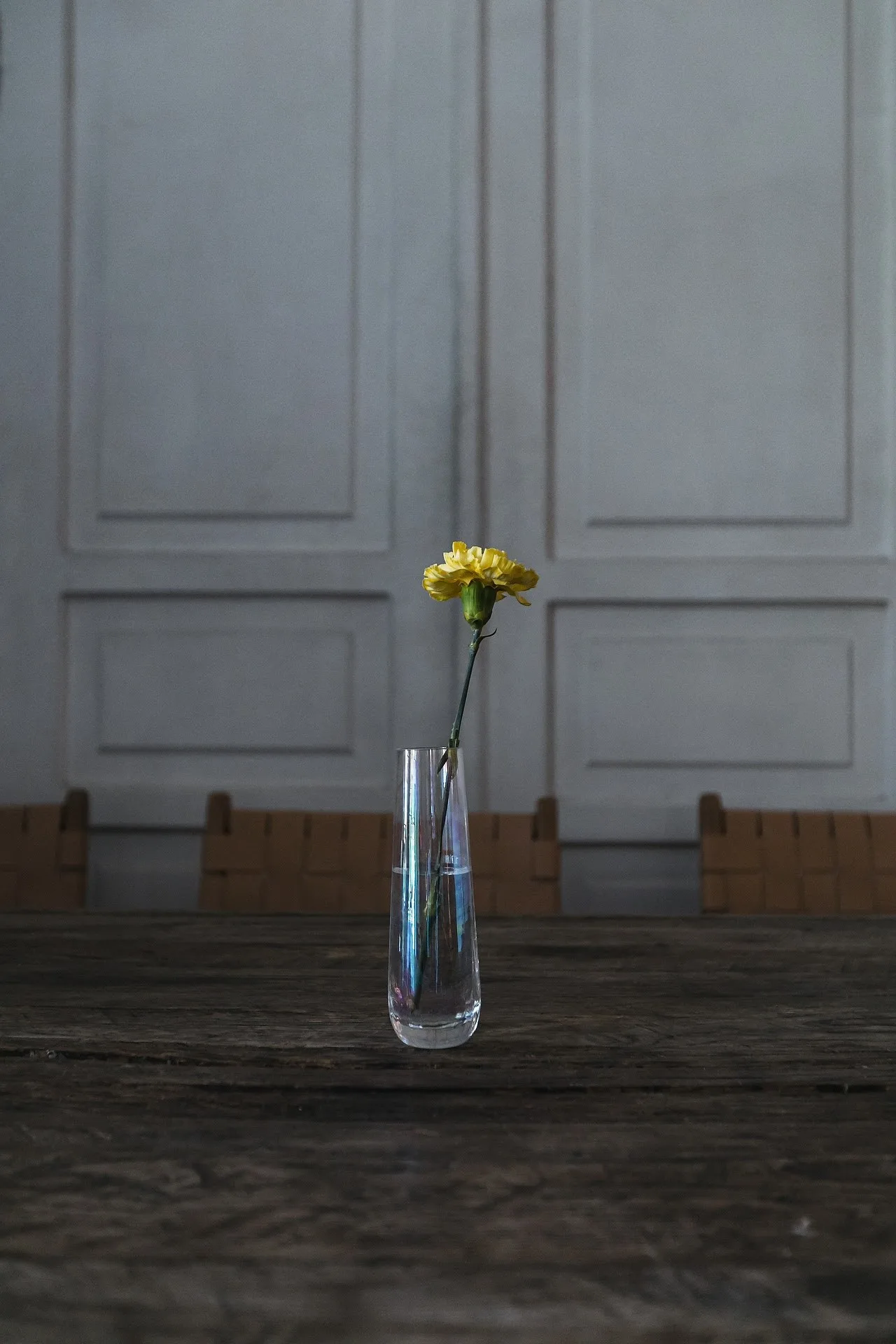
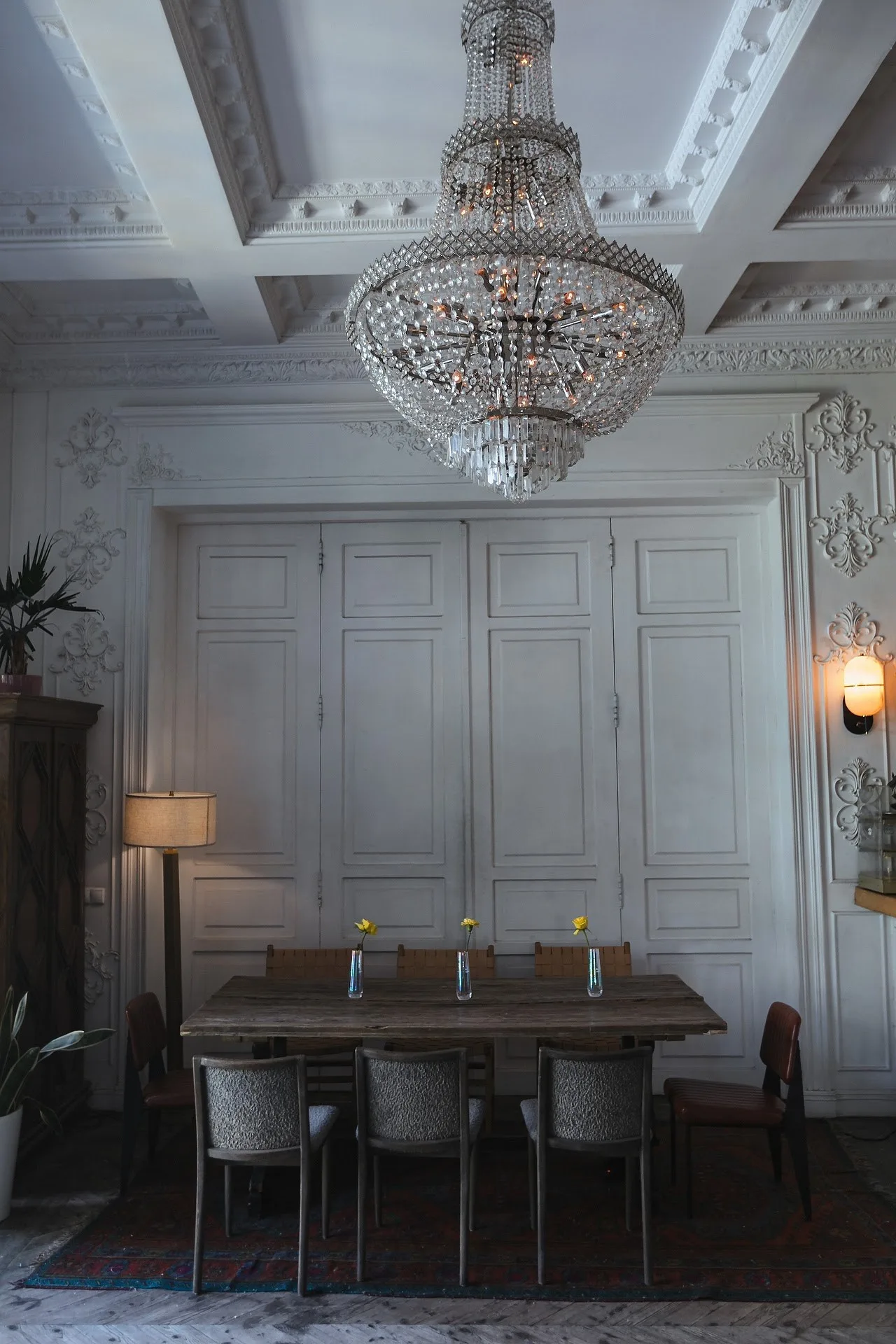
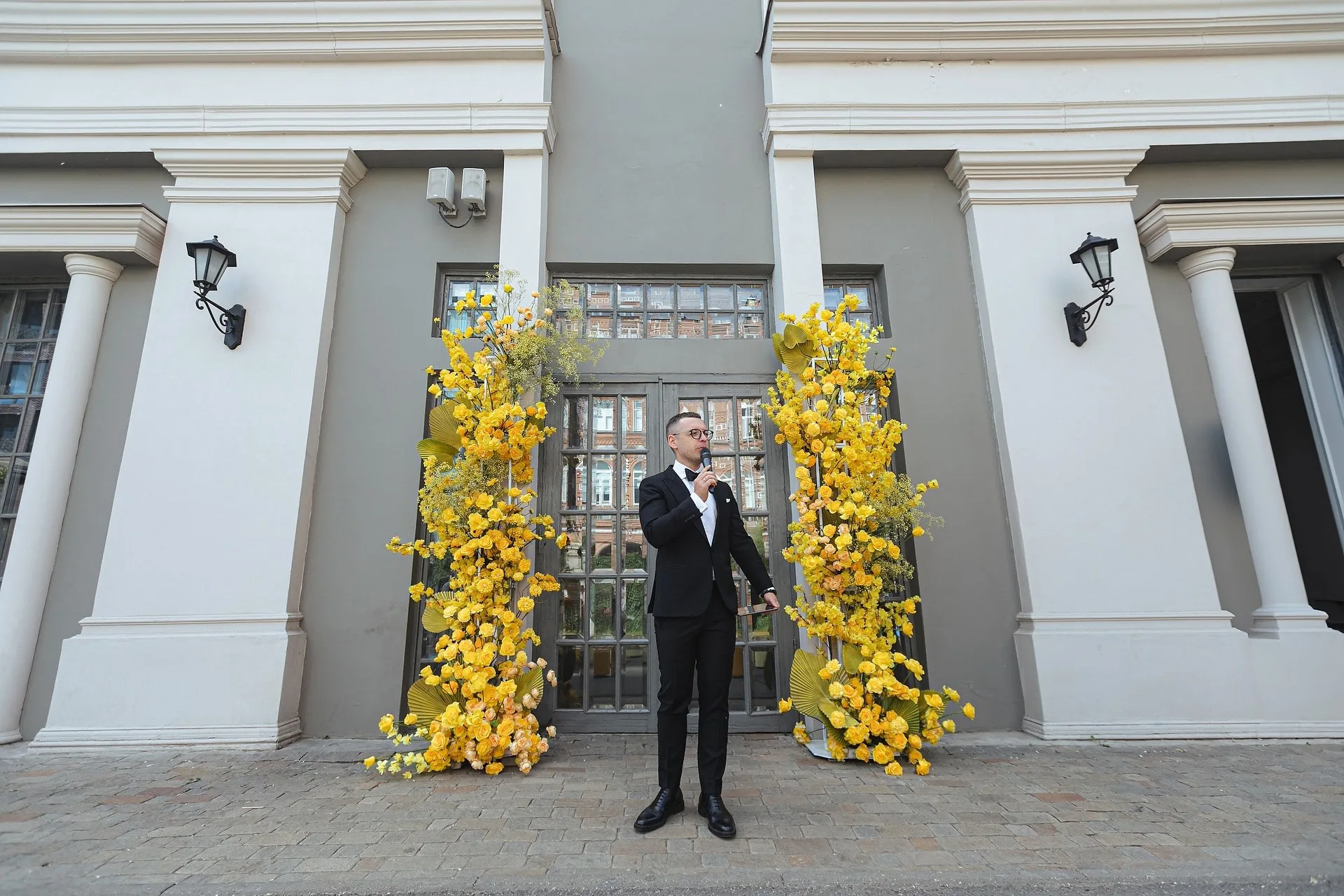
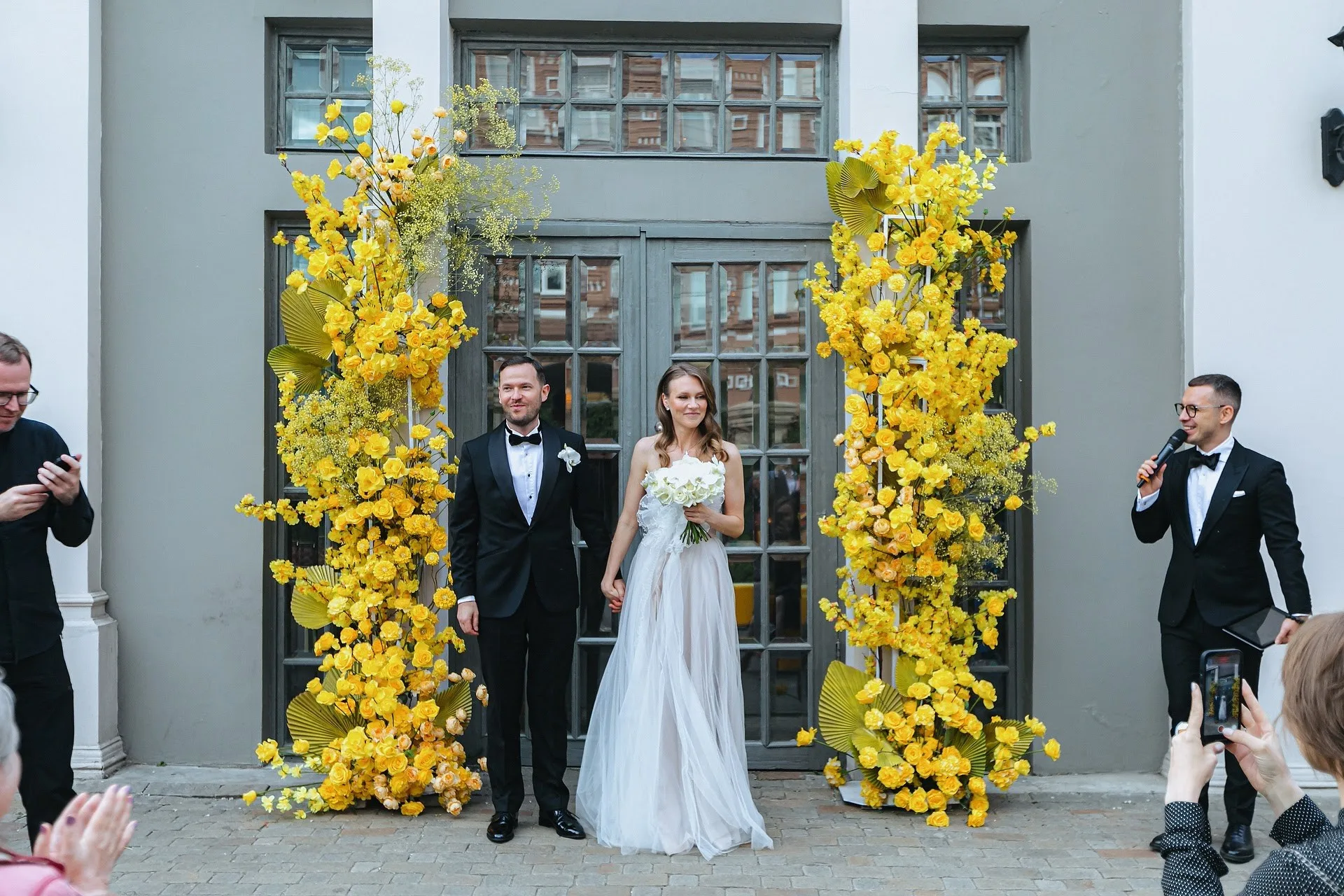
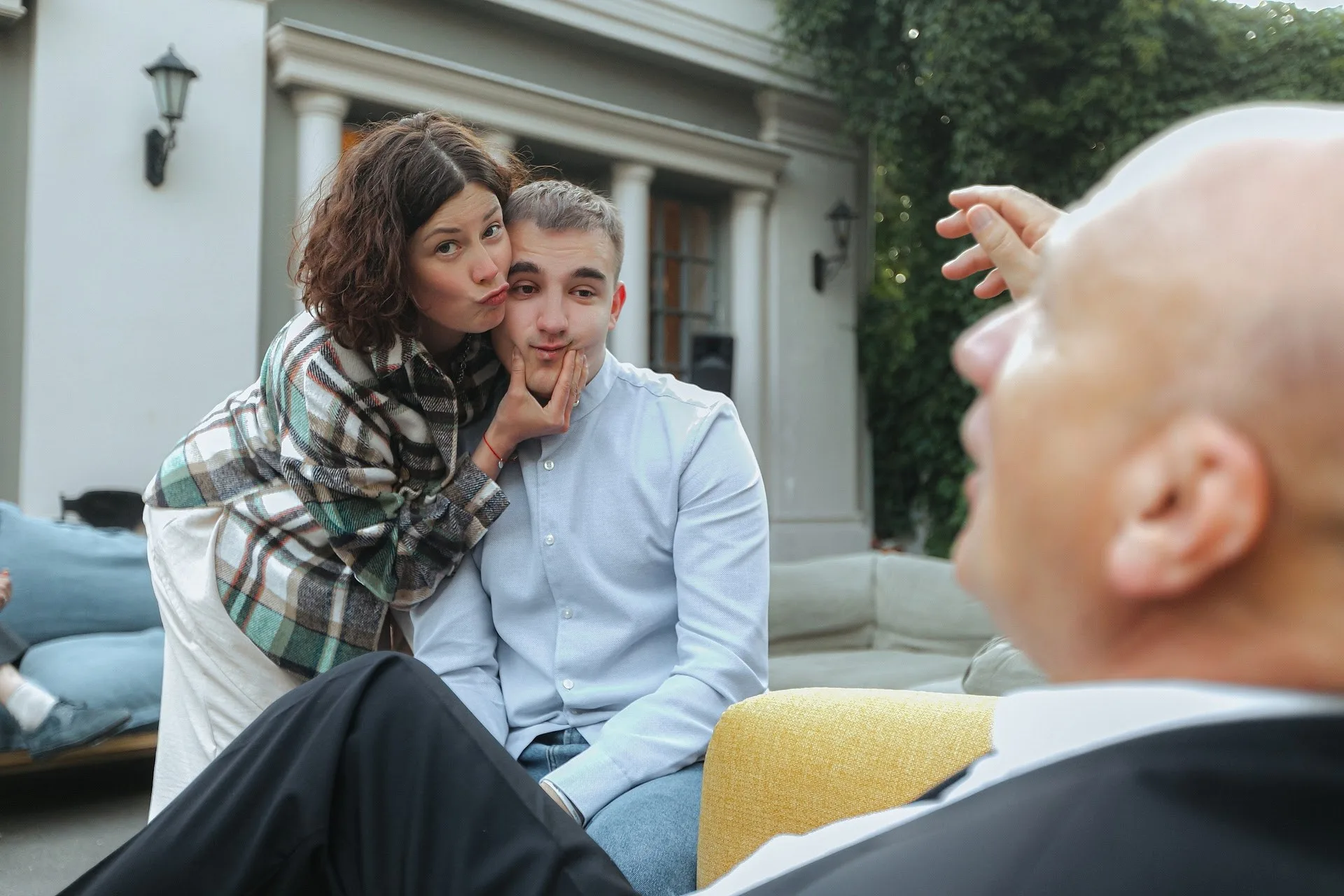
The pauses in this series matter alongside the obvious high points. Waiting, conversation and short exchanges give the people in the photographs a life beyond the formal wedding events. Wider scenes establish the setting; closer photographs bring attention back to expressions and relationships.
When looking through the gallery, notice how one photograph leads to the next. Can you recognise the people and their connections? Do the quieter frames contribute something? Does the approach stay consistent as the light and pace change? Those questions are useful when choosing a photographer for a wedding where spontaneous moments are a priority.
Planning a wedding with room for reportage
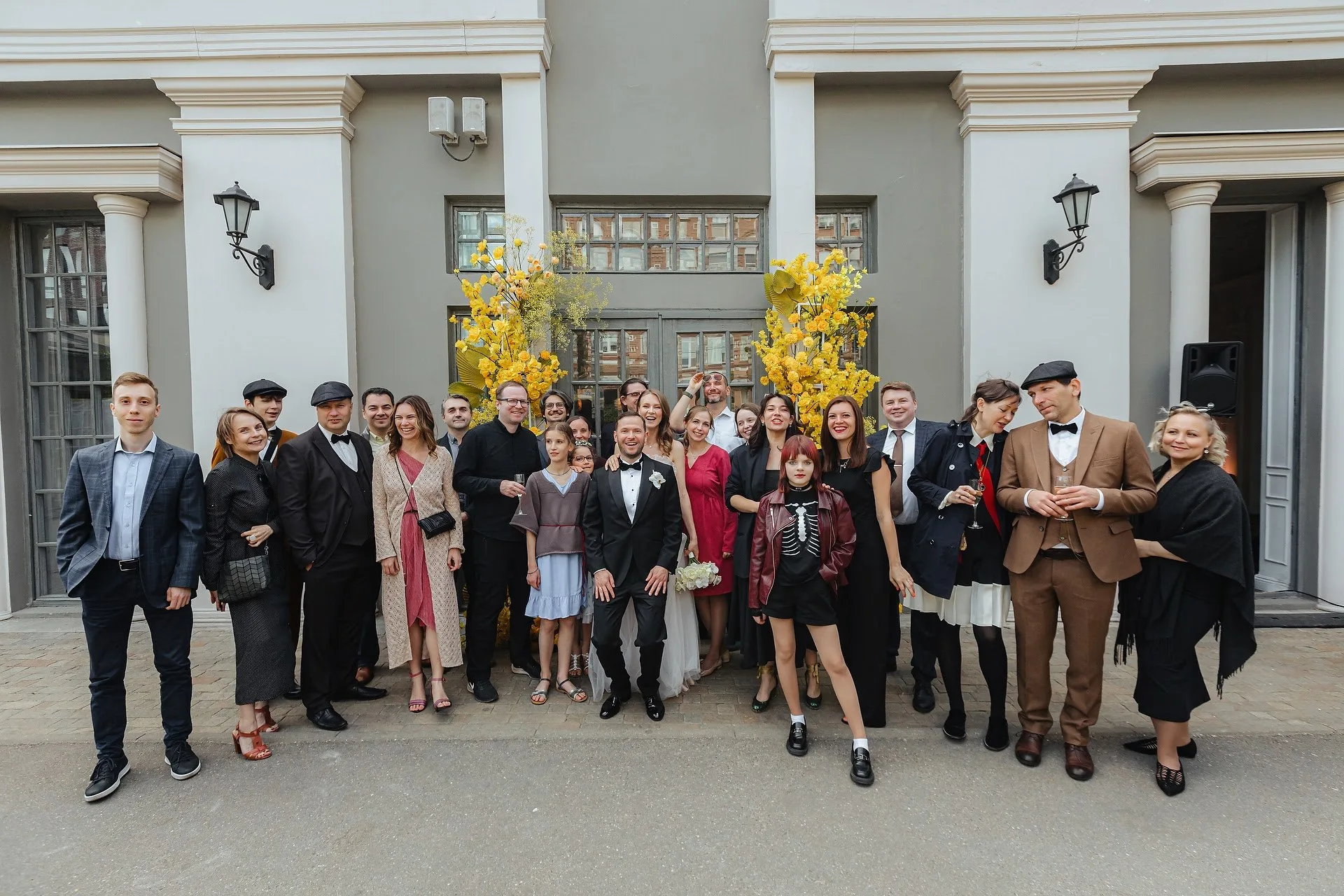
For a similar approach, tell your photographer which people and events matter most, agree the essential family portraits and leave some time for everyone to be together. Brief help with portraits can sit comfortably alongside an otherwise documentary day.
Explore the difference between editorial and documentary photography, read how to review a full wedding gallery, or get in touch about your wedding.