
How to Build a Destination Wedding Photography Timeline
Start with the ceremony and dinner as fixed points, then add every real transition: getting dressed, guest arrivals, congratulations, family photographs, travel and time to enter each venue. Place one focused portrait session where the light and route make sense, protect time with guests, and add margin before critical events. A useful timeline supports the wedding; it does not turn the day into a photo shoot.
Begin with fixed events, not photographs
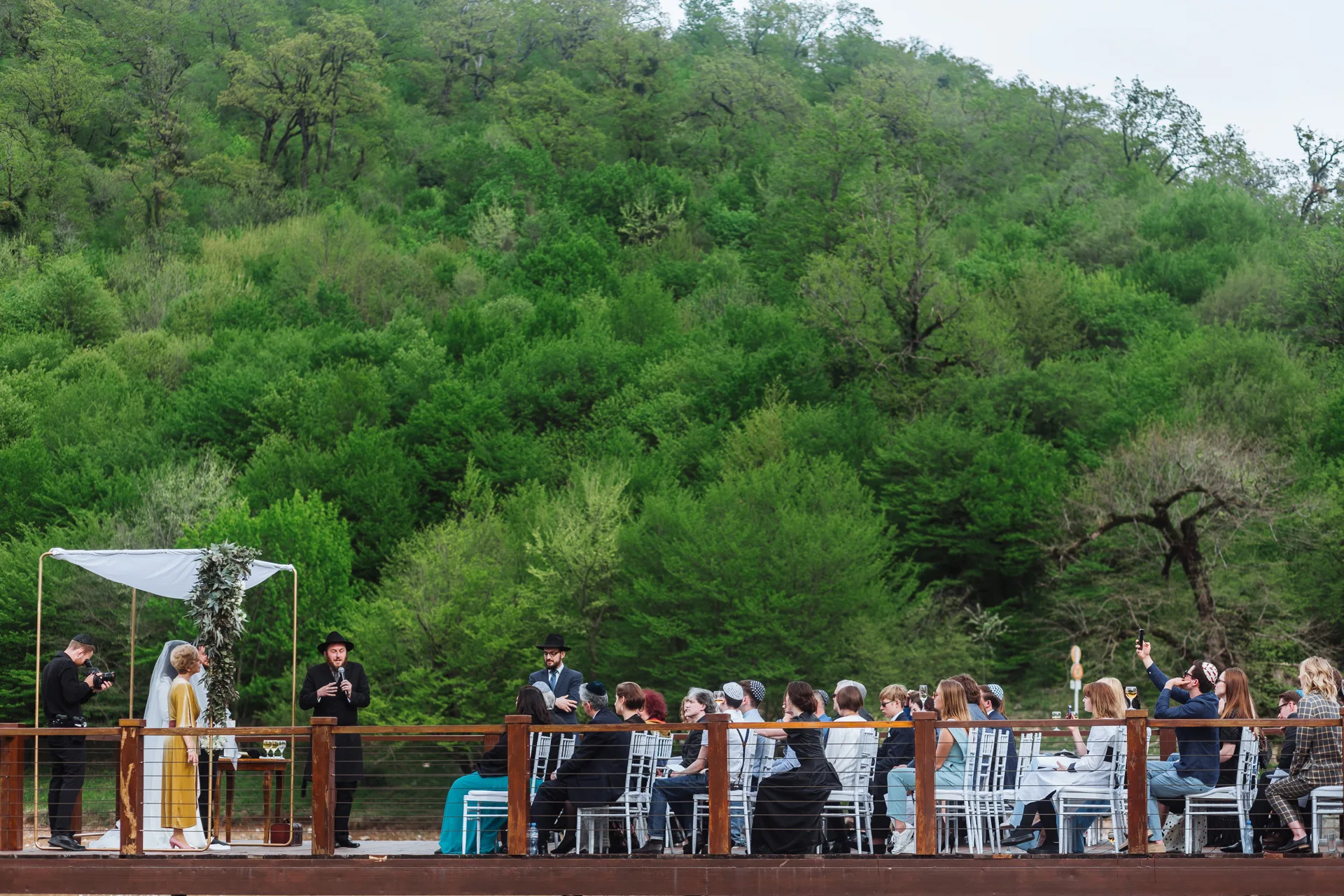
The ceremony, dinner service and any venue curfew are usually the least flexible parts of a destination wedding. Put those into the schedule first. Then work backwards and forwards from them instead of filling the day with attractive photo locations and hoping everything connects.
For each fixed event, ask what must happen immediately before and after it. Guests need to arrive before the ceremony. The couple may need a private pause, a dress adjustment or a legal meeting. After the ceremony there are embraces, congratulations and family groups before anybody moves to the next space. These transitions are part of the wedding story and need real time.
Photography coverage should begin before the first moment you consider essential and end after the last one. Choosing the number of hours comes after the event sequence is visible; the coverage guide explains that decision in more detail.
Map the real logistics
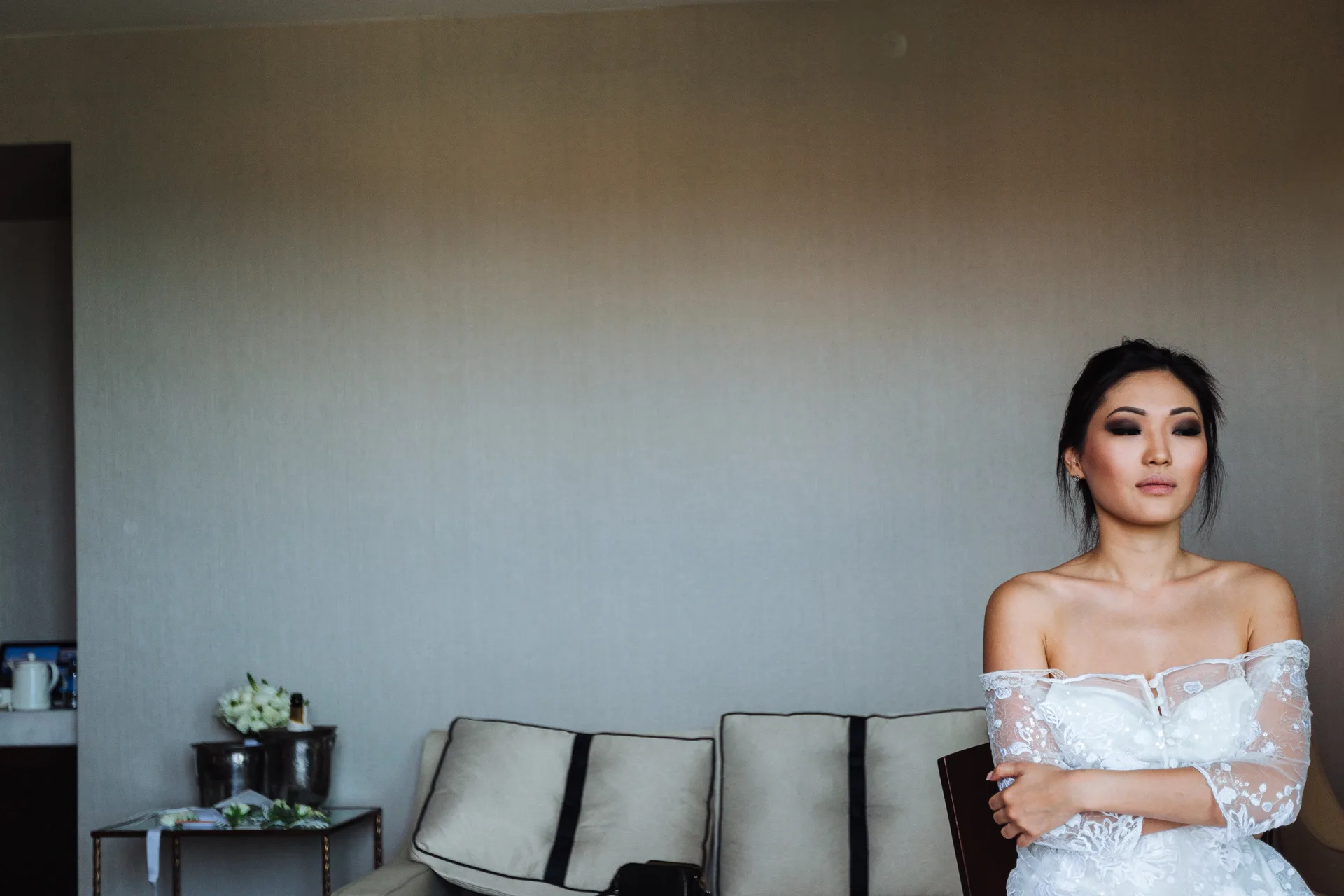
A route that looks short on a map can take much longer on a wedding day. People do not appear inside vehicles at the departure time. They finish conversations, collect flowers, wait for relatives, find the correct car and walk through an unfamiliar property at the other end.
Write every address into one document and identify:
- who is travelling in each transfer;
- who controls the vehicle and departure time;
- loading, parking and walking time;
- venue access or security procedures;
- whether luggage, clothing or flowers move separately;
- the person who makes a decision if the schedule slips.
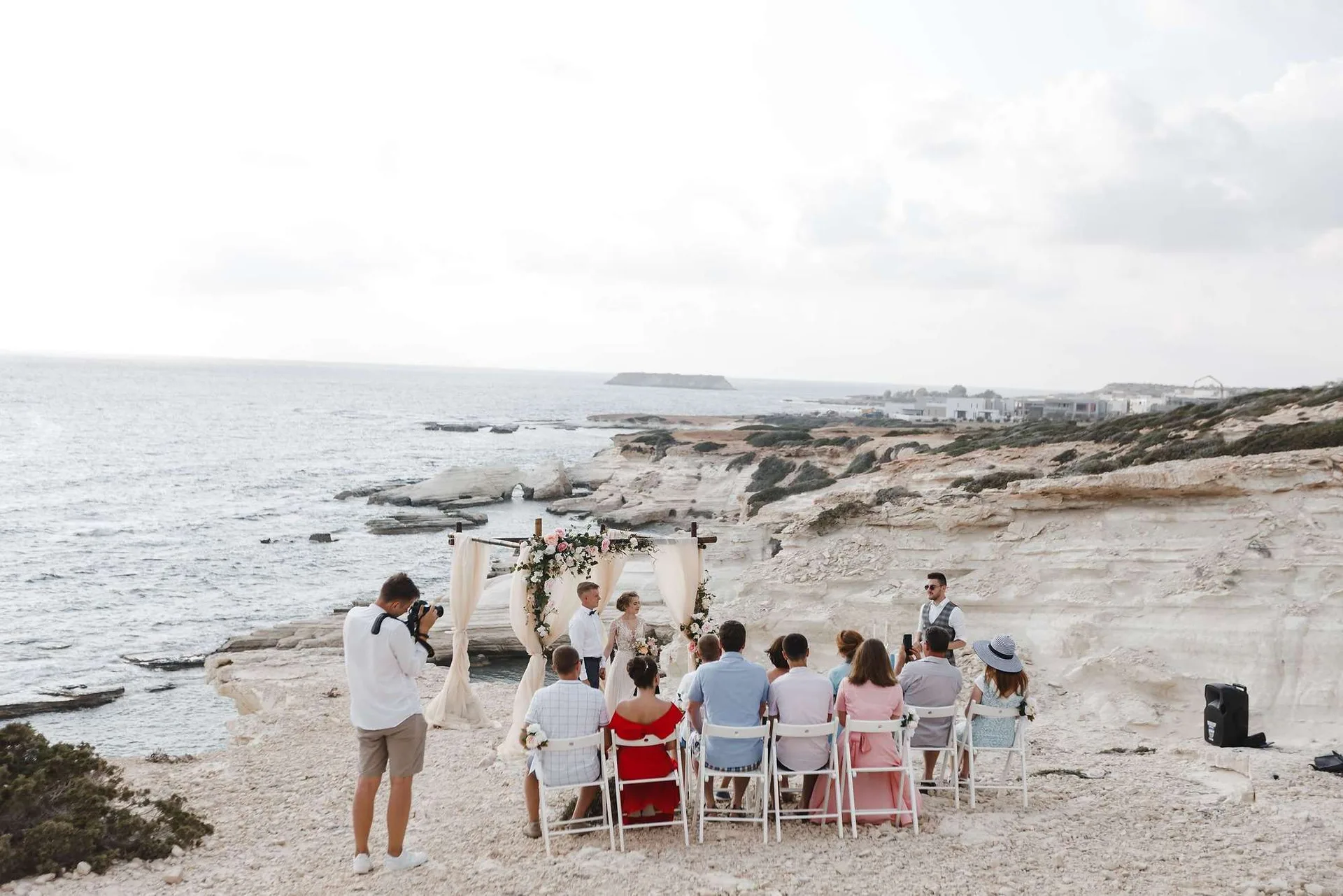
If preparations, ceremony, portraits and dinner can happen on one property, the saved travel time usually gives you more photographs and more time with guests. Several locations can still work, but each one should justify its cost in time and complexity.
For islands, mountains or remote venues, the transfer plan matters more than the number of kilometres. Confirm it with the planner or local coordinator rather than relying only on an online estimate.
A realistic single-venue example
This is an illustration, not a schedule to copy. Move the ceremony and portrait windows according to the date, climate, venue orientation and actual programme.
| Time | Event | Photography consideration |
|---|---|---|
| 12:30 | Final preparations | Details are ready; hair and makeup are close to complete |
| 14:00 | Getting dressed | Allow privacy and avoid making this the departure deadline |
| 15:00 | First look or quiet time | Optional; keep it close to the preparation rooms |
| 15:30 | Guests arrive | Documentary coverage begins around the ceremony space |
| 16:00 | Ceremony | Couple and close family arrive before the published start |
| 16:40 | Congratulations | Do not move directly into a long portrait session |
| 17:00 | Family photographs | Use a short prepared list and one person who knows both families |
| 17:20 | Drinks and guests | Documentary coverage; couple can rejoin the celebration |
| 18:00 | Couple portraits | One nearby location, usually 20–30 focused minutes |
| 19:00 | Dinner entrance | Build margin before catering service begins |
| 20:00 | Speeches | Confirm the order with the planner and catering team |
| 21:00 | Short evening portraits | Optional ten-minute window if the light and programme allow it |
| 21:30 | First dance and party | Digital coverage adapts to the actual pace of the room |
The strongest schedule is often simpler than the first draft. It contains fewer movements, clear ownership and enough space for an event to take longer without deleting everything that follows.
Place portraits without losing the wedding
Portrait time should have a reason and a boundary. A nearby location with suitable light is more useful than a famous viewpoint that requires a long return journey. Twenty to thirty calm minutes can be enough when the photographer has reviewed the space and the couple is not already late.
Instead of one long absence, a destination wedding can use two concise windows: a main session after the ceremony and a brief return to softer evening light. The second window may last only a few minutes. It should fit between real events rather than delay dinner, speeches or time with guests.
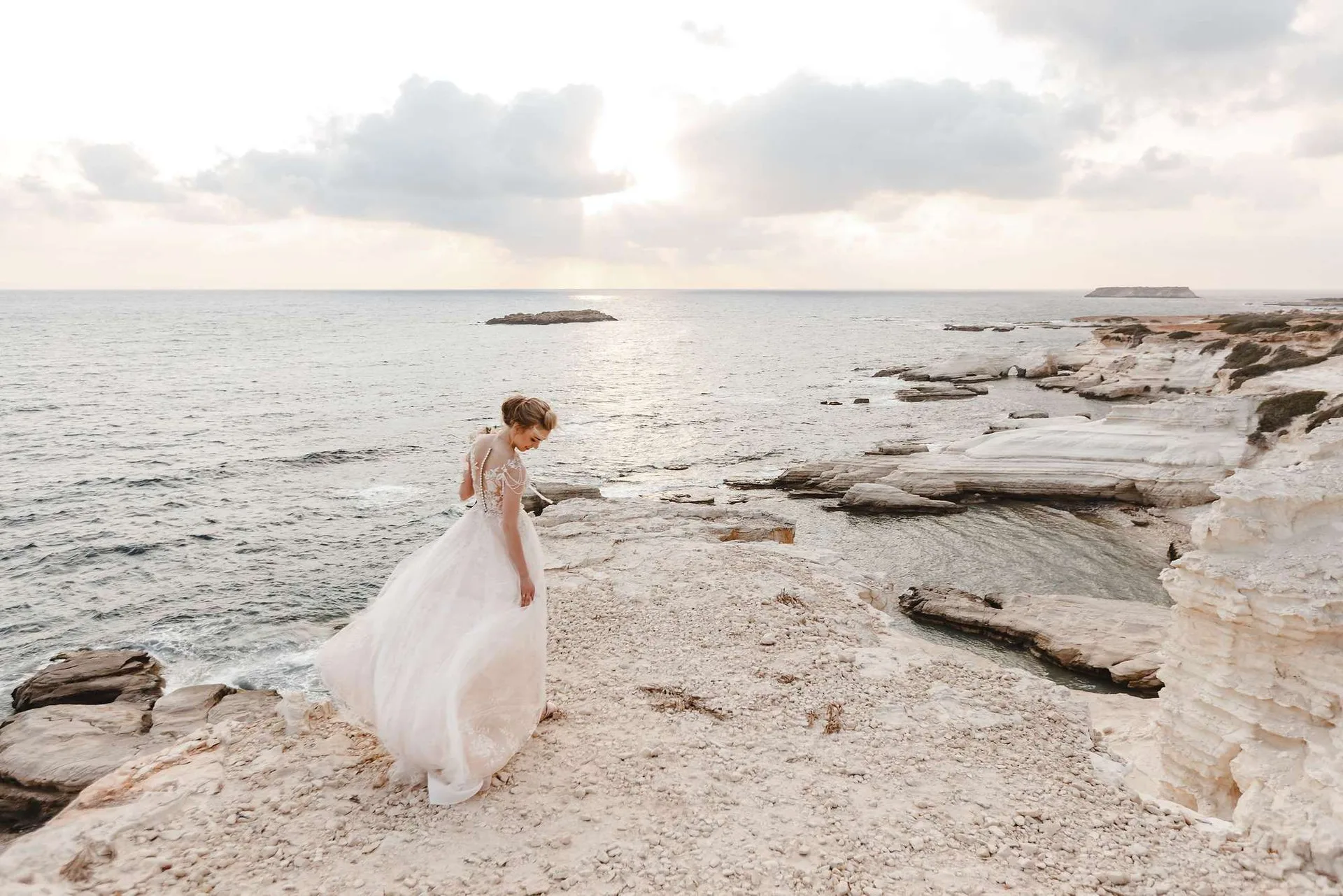
Golden hour is useful, but it is not a command. Check when the sun disappears behind mountains, buildings or the venue itself. That may happen earlier than the published sunset. If the couple is enjoying an important speech or conversation, I would rather photograph it than interrupt the wedding for light that exists every evening.
Protect the ceremony, family photographs and guests
The ceremony cannot be recreated. Build arrival margin before it, confirm any photography restrictions and make sure the photographer can reach the ceremony space before the couple. If the plan requires the photographer to travel at the same time as the entrance, it needs to be revised.
Family photographs work best with a short list of meaningful combinations. Ask one person from each side of the family to gather people while the photographer arranges the group. This is faster and calmer than reading names into a crowd after the ceremony.
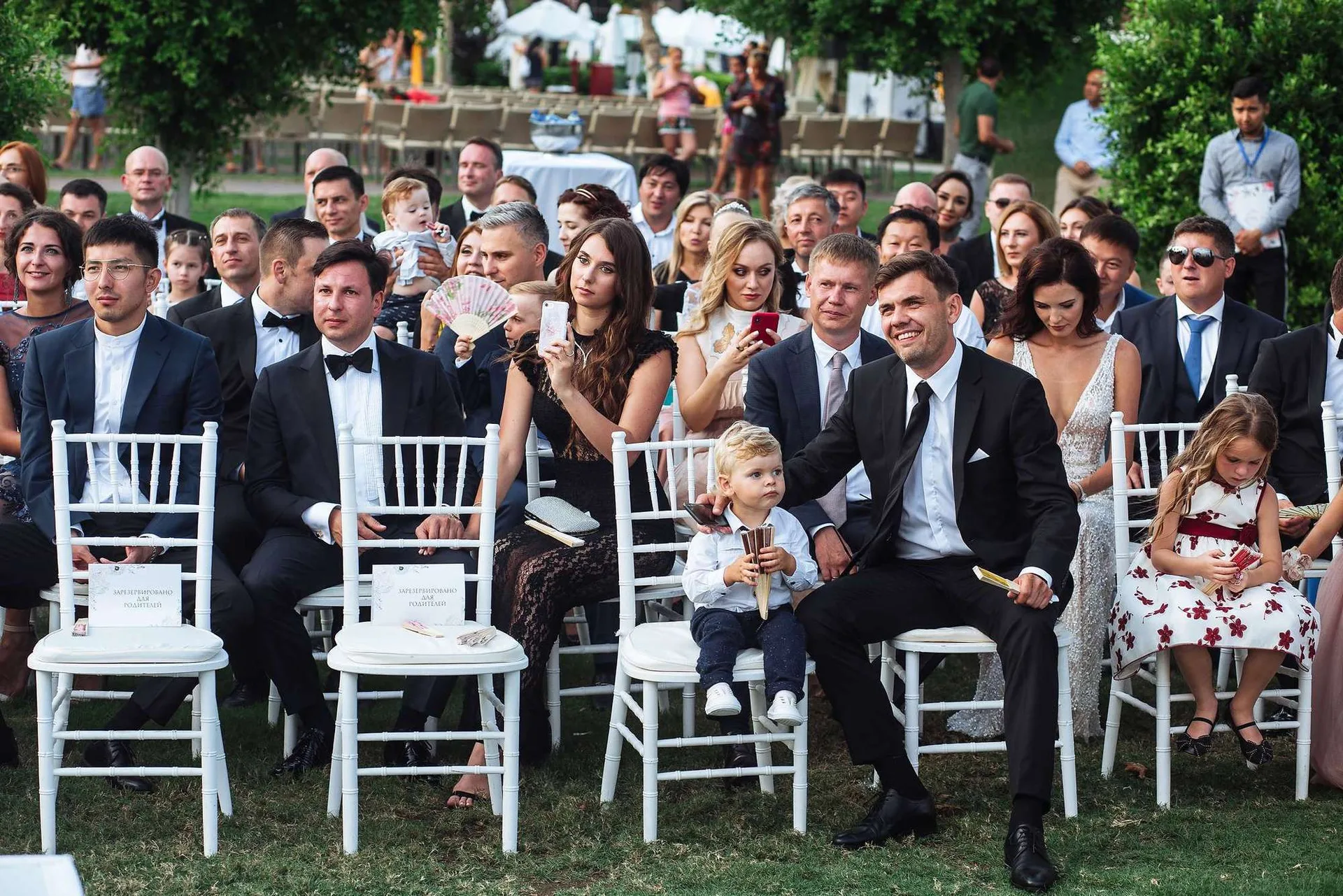
Do not leave all guests waiting while the couple disappears for portraits. Schedule drinks, food, music or another clear part of the programme, and keep the main portrait location close. Documentary photographs of the people around you are part of a complete wedding story, not filler between couple portraits.
Plan for light, weather and season
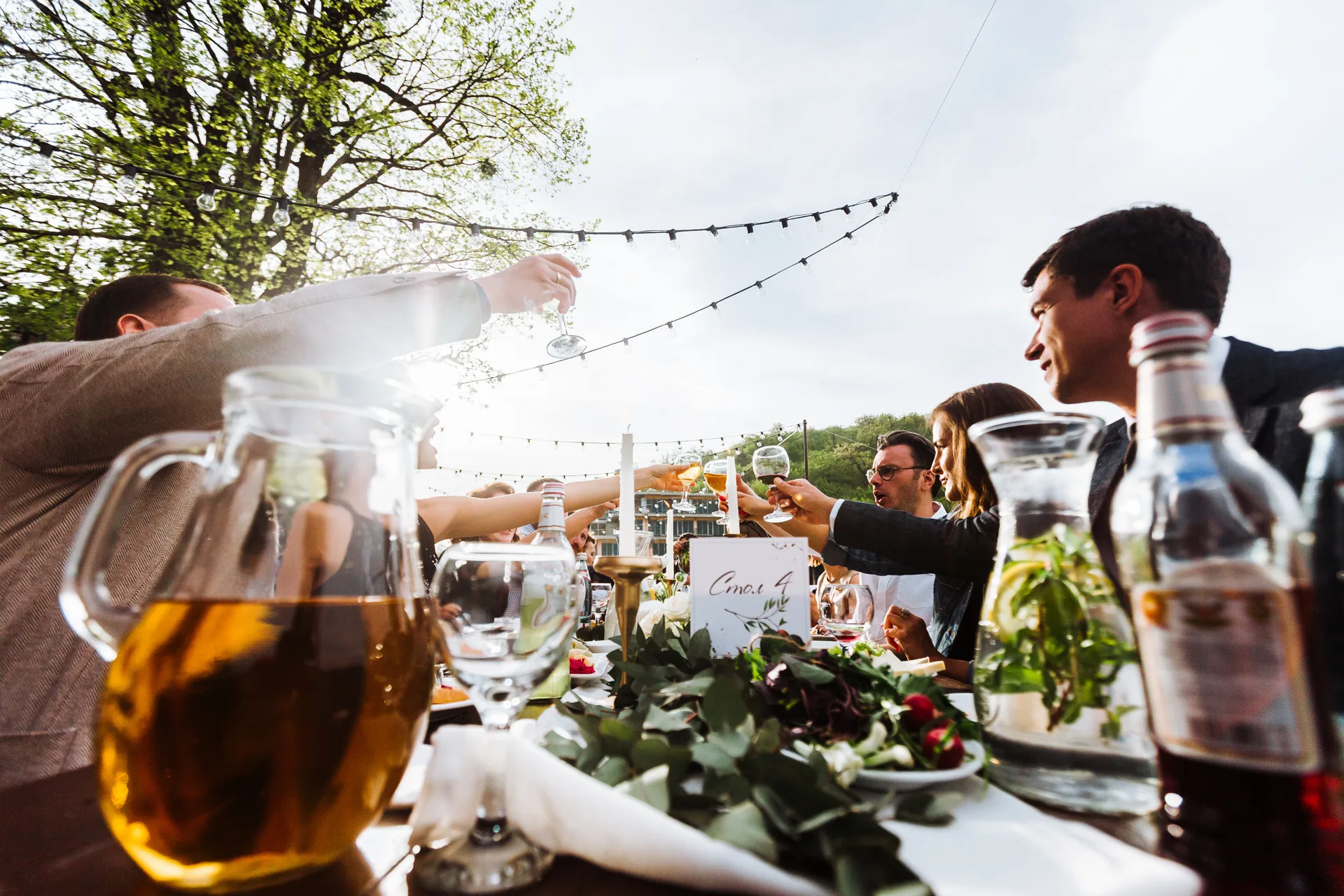
Use the actual date and coordinates to check daylight, then ask the venue where direct sun, shade and artificial light fall at the ceremony time. A sea view or mountain panorama does not explain whether faces will be comfortable to photograph. Venue photographs made in another month may show completely different light.
The weather alternative needs its own usable schedule. Identify where the ceremony, family photographs and a short portrait session can happen under cover. Confirm how long the venue team needs to move chairs or decor and who decides whether the outdoor plan changes.
Short winter daylight may move portraits before the ceremony. Strong afternoon heat may make a shaded ceremony or later portrait window more practical. Wind can affect sound, veils, boats and exposed viewpoints. The solution is not to chase ideal conditions but to build a day that still works when conditions are ordinary.
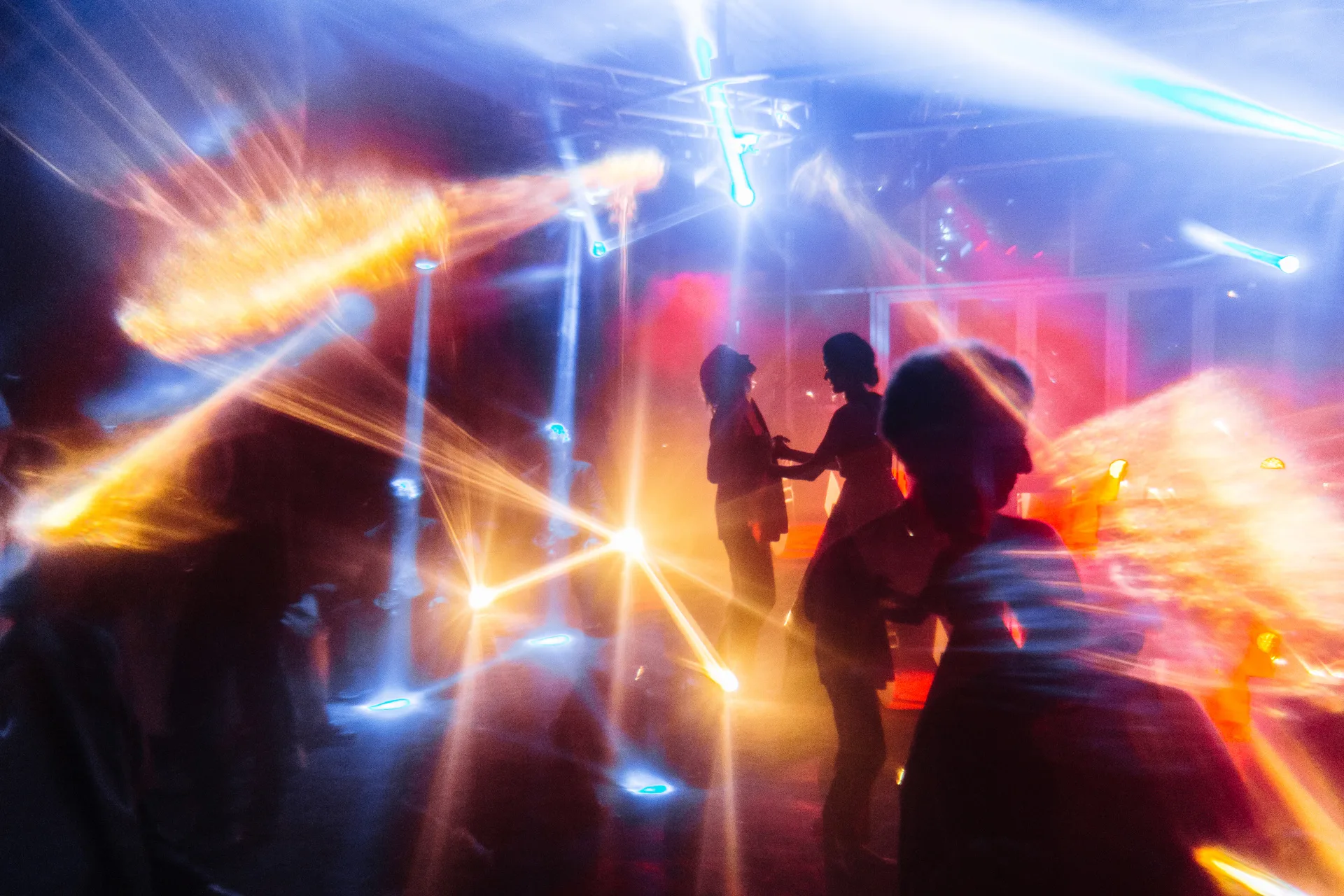
Evening events need coordination too. Tell the photographer when speeches, cake, performances and the first dance are expected, but allow the room to breathe. A minute-by-minute list encourages suppliers to chase the schedule instead of noticing what is happening.
Final photography timeline checklist
Four to six weeks before the wedding, I review the latest schedule with the couple or planner. The useful version includes:
- Every address and the correct entrance.
- Names and telephone numbers for the planner, transport and venue contact.
- Ceremony rules and the planned arrival order.
- The family group list and the people responsible for gathering relatives.
- Travel method and realistic transition time.
- Portrait options close to the route, including an indoor or sheltered alternative.
- Dinner, speeches, first dance and any event that affects coverage.
- Cultural or family priorities that would not be obvious to an outside supplier.
- The person authorised to adjust the plan on the wedding day.
Share one final version with every supplier instead of maintaining separate schedules. If something changes, update that master document and highlight the change. The goal is not perfect punctuality. It is a clear order of priorities, enough margin to absorb normal delays, and a wedding that still feels like a wedding.