
Elopement vs Micro-Wedding: What Is the Difference?
An elopement is usually built primarily around the couple, while a micro-wedding has a small guest group and more of the structure of a traditional wedding. In my work, about 5–10 guests is a useful micro-wedding reference point. The practical difference is not the label alone: it is the number of people, events, locations and hours that need to be photographed.
The short answer
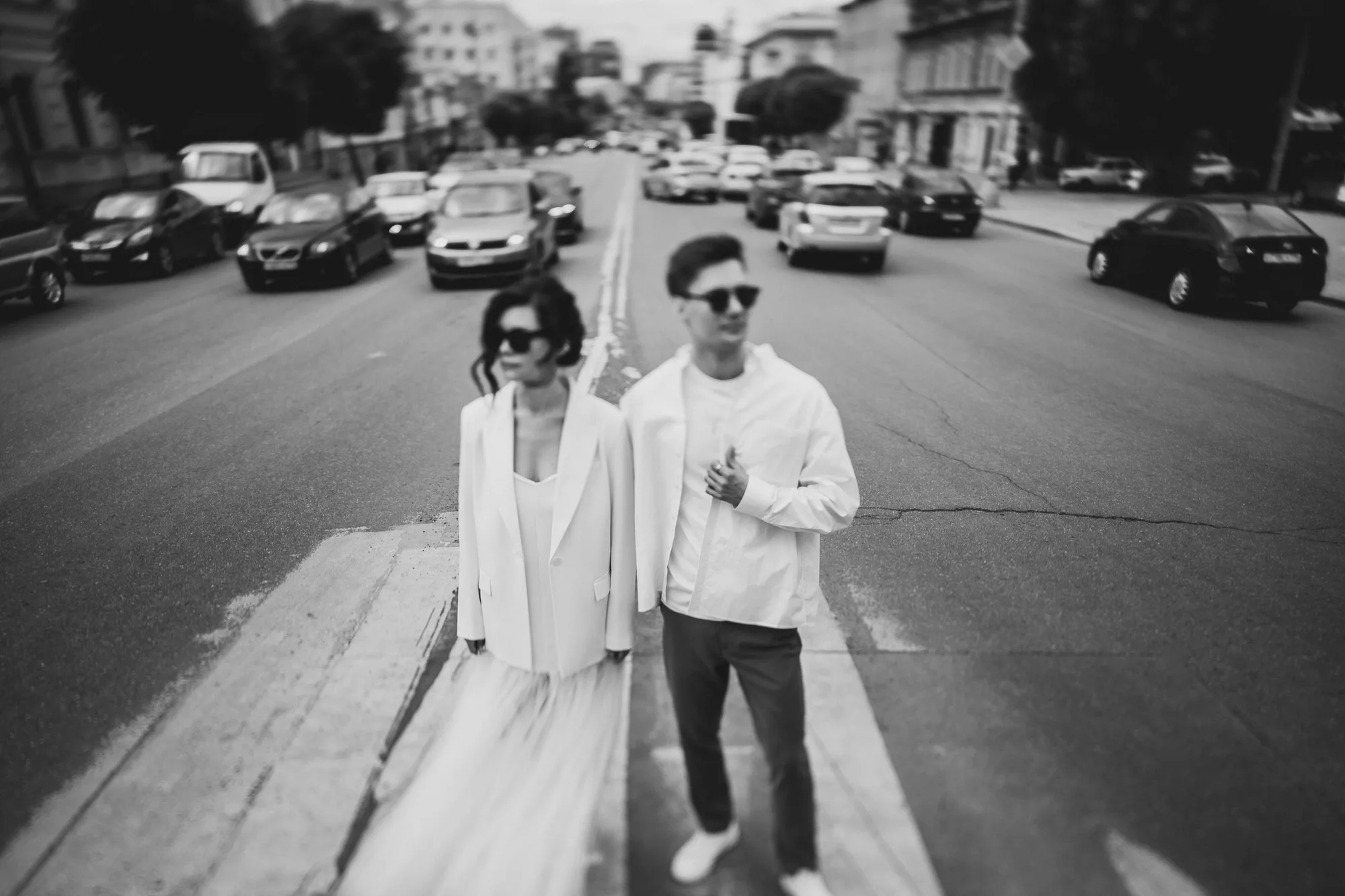
An elopement is usually a wedding day designed primarily around the couple. It may be only two people, or it may include a very small number of close relatives or friends. A micro-wedding keeps a deliberately small guest list but normally has more recognisable wedding structure: guest arrival, a ceremony witnessed by family, group photographs, a meal and perhaps speeches or a short evening programme.
In my own planning conversations, 5–10 guests is a useful reference point for a micro-wedding. It is not an international rule. A six-person day with preparations, two locations, a ceremony, family groups and dinner can require more photography than a two-person day in one hotel. The useful question is therefore not only “What do we call it?” but “What needs to happen, where, and with whom?”
| Question | Elopement | Micro-wedding |
|---|---|---|
| Main focus | The couple and their shared experience | The couple plus a small circle of guests |
| Typical guest structure | None or only a few essential people | Often around 5–10 guests in my working definition |
| Schedule | Compact and flexible | Small, but with more fixed group events |
| Portraits | Couple and individual portraits | Couple, individual portraits and every meaningful guest combination |
| Meal | Private dinner or a short photographed arrival | Hosted meal, often with speeches or family interaction |
| Common coverage | Four hours can work when locations are close | Half Day is often easier when guests and dinner matter |
A practical definition
The boundary is created by people and time. Guest count matters because each person adds arrivals, greetings, relationships and photographs that deserve attention. Time matters because even a tiny wedding becomes complex when it uses several addresses.
I would describe a day as an elopement when the couple can make most decisions around their own pace. They can change the portrait route, pause for coffee or move dinner without reorganising a guest programme. A micro-wedding gives the couple intimacy but also responsibility for a small group. Grandparents may need an easier route, everyone must know the ceremony time, and the meal cannot simply move because the portrait light looks interesting.
Neither format is “less than” a large wedding. An elopement can be visually complete because it has preparation, anticipation, a ceremony, portraits and a transition into the evening. A micro-wedding can be emotionally dense because every guest is personally significant and visible throughout the gallery.
What four hours can cover
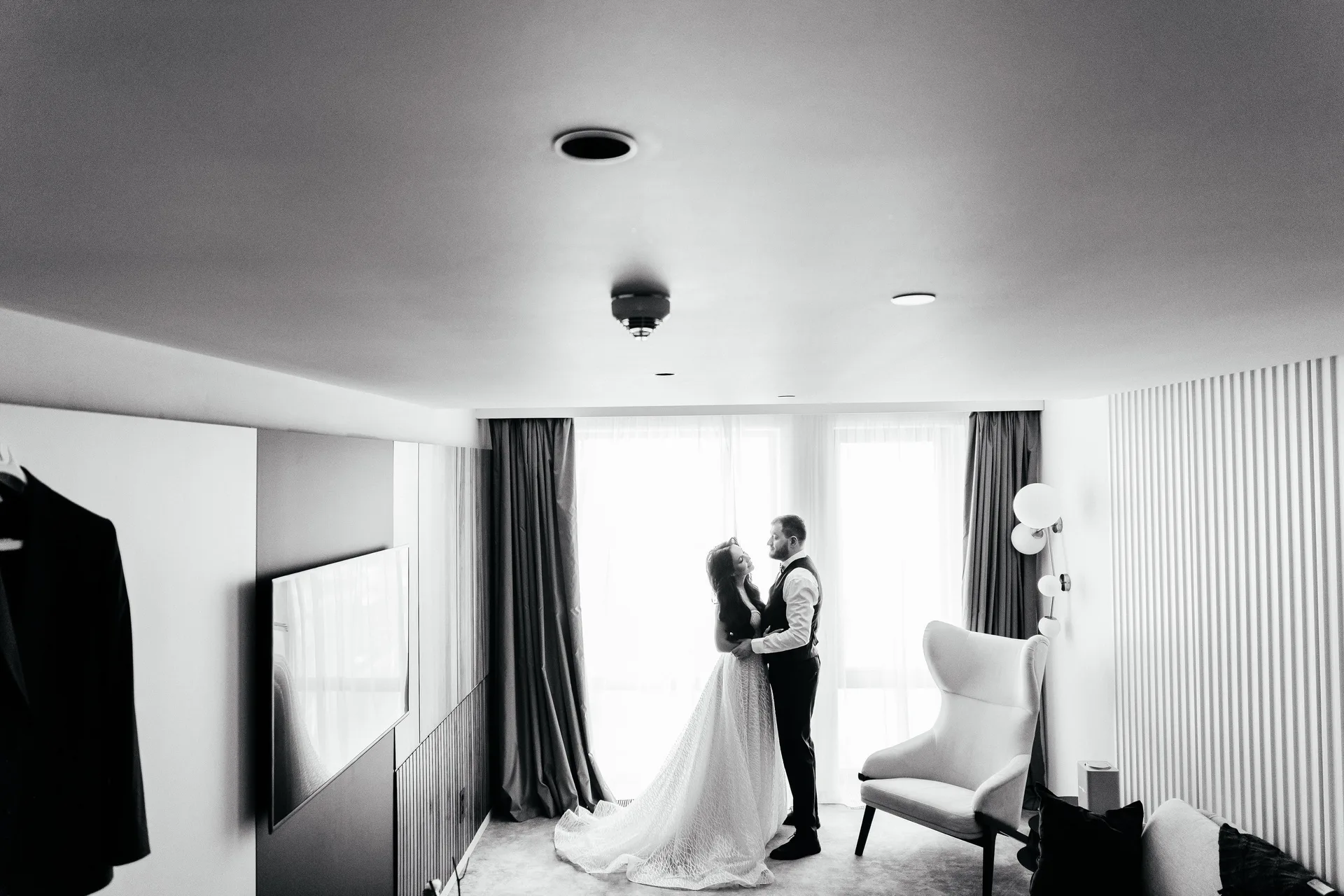
Four hours is a workable elopement structure when the route is compact. It should not be treated as four hours available for portraits alone. The ceremony, transitions and a small amount of unplanned time are what make the photographs feel like a wedding rather than a styled session.
A realistic example could be:
| Time | Event | Photography purpose |
|---|---|---|
| 14:00–14:45 | Final preparations | Clothing, details, individual portraits and the atmosphere before leaving |
| 14:45–15:15 | Transfer and arrival | Movement, anticipation and enough margin to avoid entering late |
| 15:15–15:45 | Ceremony | The formal commitment and immediate reactions |
| 15:45–16:15 | Congratulations or quiet pause | A natural transition rather than moving directly into posing |
| 16:15–17:15 | Couple portraits | One practical route, with classic and documentary photographs |
| 17:15–18:00 | Dinner arrival | Setting, toast, conversation and an ending for the story |
This only works if the locations support it. A 25-minute driving estimate is not a 25-minute wedding transfer: the couple must leave the room, collect personal items, reach the vehicle, park and enter the next place. Two long transfers can consume the part of the day intended for the ceremony or dinner.
Choose more than four hours when:
- both partners want substantial separate preparations;
- the ceremony and dinner are in different parts of a city or region;
- relatives need group photographs after the ceremony;
- the couple wants several portrait locations;
- a reception, speeches or evening light are important;
- the day contains waiting time that cannot be removed from the schedule.
The difference between the Elopement and Half Day collections is therefore not a rule about the name of the wedding. It is a decision about whether four or six hours can honestly hold the experience.
How guests change the photography
With no guests, the story can remain closely centred on the couple: separate portraits, the meeting, hands during the ceremony, movement through the city and small changes in expression. When a micro-wedding includes family or friends, every person should be treated as important.
I recommend planning:
- One photograph of the couple with the complete guest group.
- The main family combinations on both sides.
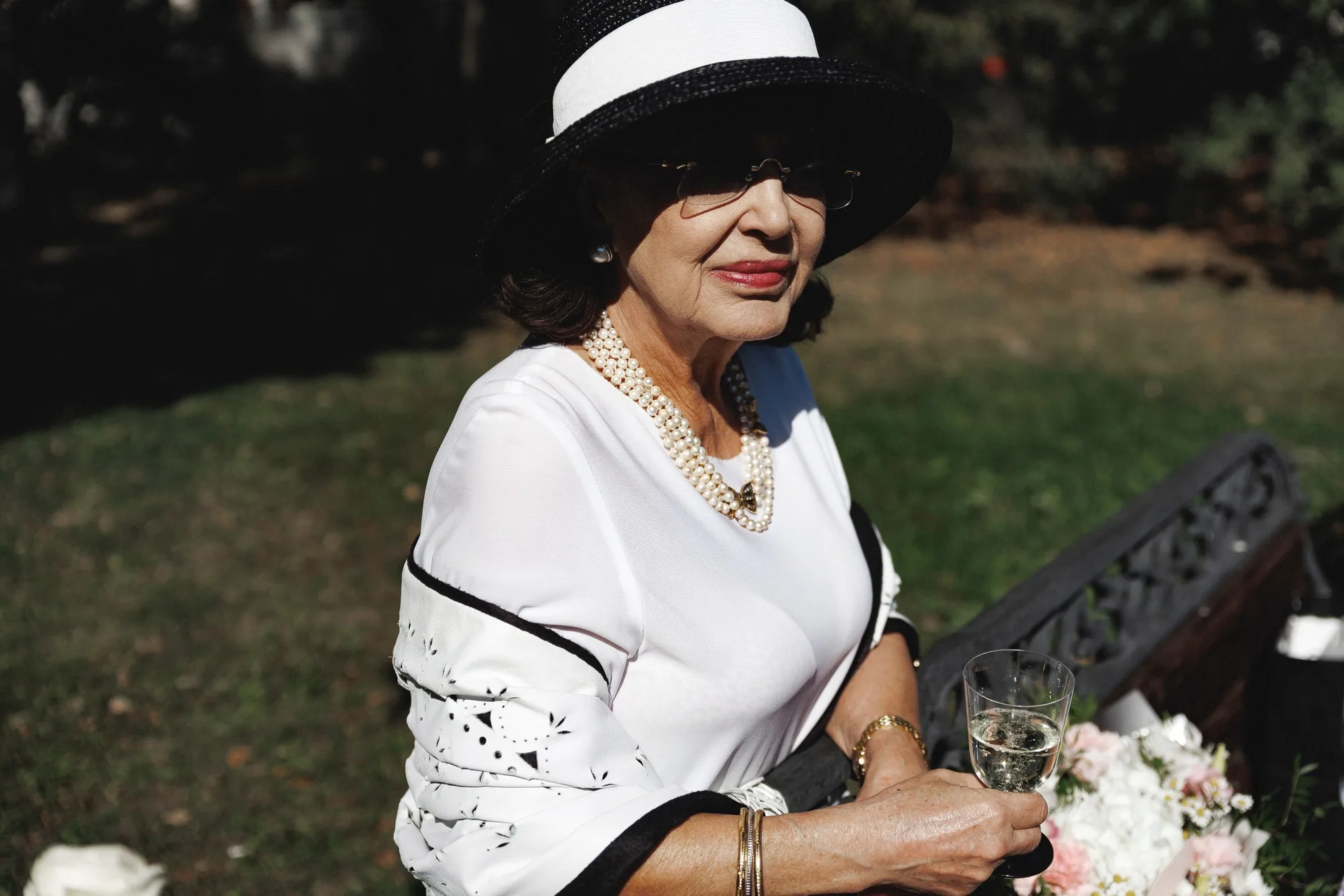
- Photographs with grandparents and parents before they become tired or leave.
- Smaller combinations that have personal meaning to the couple.
- Documentary photographs of conversation, embraces and the meal.
- Classic individual portraits of each partner as well as photographs together.
For a small wedding, there is usually a good reason to photograph the couple with every guest. That does not mean building a rigid studio line. Some combinations can be made formally; others may emerge naturally during congratulations and dinner. The objective is a gallery in which nobody central to the day disappears.
Common planning mistakes
Too many locations
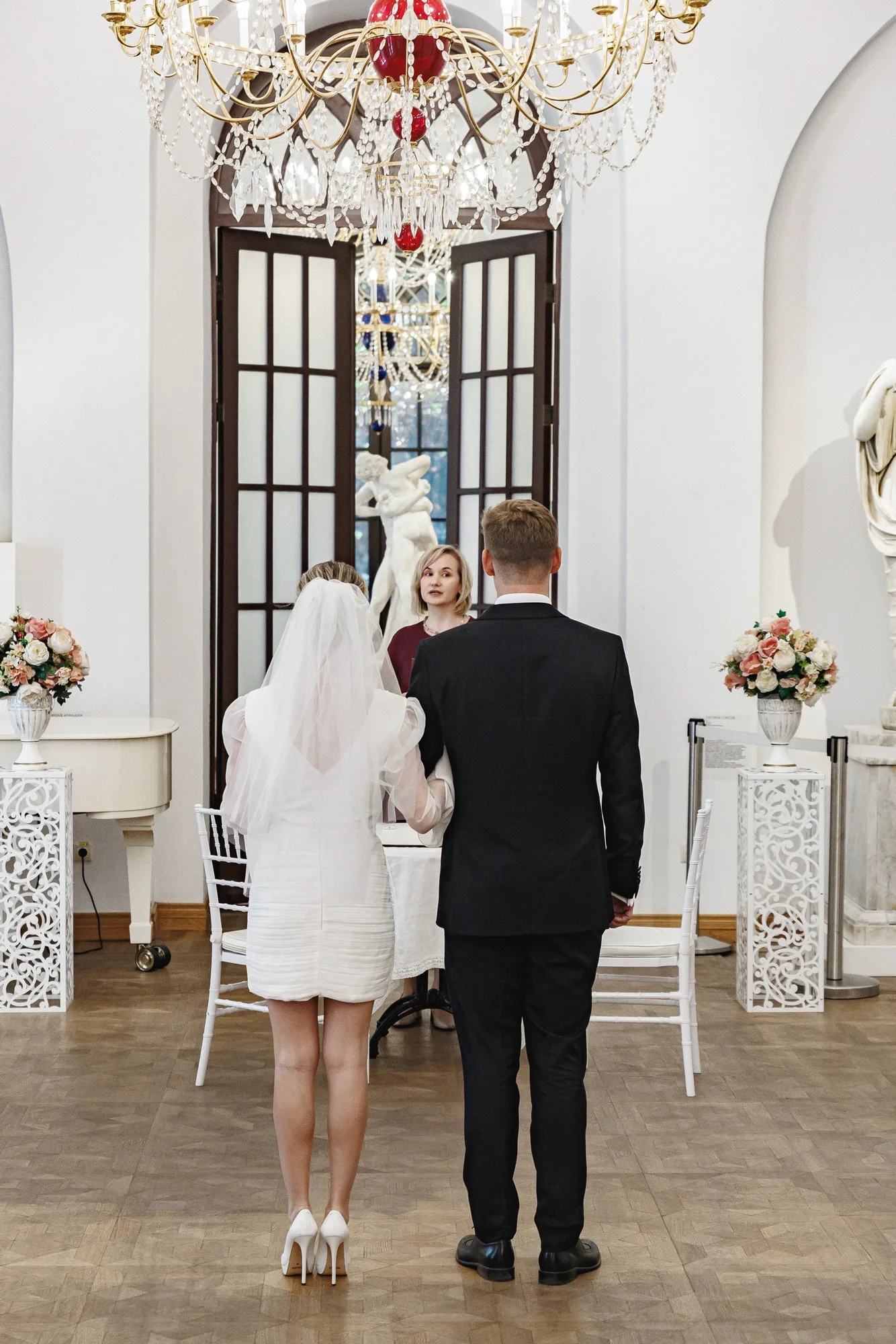
An elopement often looks simple on paper, so couples add a hotel, ceremony office, old town, viewpoint, coast and restaurant. The result can be a day spent entering and leaving vehicles. One strong portrait area near the ceremony is usually more valuable than several landmarks separated by traffic.
Booking the photographer for the entire unedited schedule
Small weddings can contain long periods that do not need continuous photography: a private lunch, a long transfer or several hours between a legal appointment and dinner. The answer is not automatically to buy more hours. First make the schedule compact and place coverage around the meaningful sequence. Add time only when the story genuinely continues.
Turning Pinterest into a shot list
Pinterest is useful for describing whether you prefer direct flash, clean classic portraits, movement, black and white, or a quieter editorial mood. It becomes unhelpful when every reference must be recreated. Another couple had different faces, clothing, architecture, weather and relationships. Copying the surface can make your own day feel like production work.
Share references as a conversation about why an image appeals to you. I can then respond to the real light and location instead of forcing somebody else’s photograph onto your wedding.
Planning portraits before logistics
A beautiful location is not useful if parking, permission, walking distance or midday heat makes the route unrealistic. Decide how the ceremony and dinner connect first. Portraits should fit that route rather than control the whole day.
How to choose your format
Choose an elopement structure when you want the day to remain primarily about the two of you, the route is compact and a four-hour sequence can include the events that matter. Choose a micro-wedding structure when the presence of close guests is part of the reason for celebrating and you want those relationships documented with care.
The following questions usually produce a clearer answer than the labels:
- Who must be present for the day to feel complete?
- Do you want photographs with every guest?
- Is dinner part of the wedding story or private time after coverage?
- How many addresses are involved?
- Are preparations important for both partners?
- Is there a fixed legal or religious ceremony time?
- Would missing speeches or evening interaction feel like an incomplete gallery?
If the last two answers are yes, plan around those fixed events and work backwards. If the couple can move freely and the main priorities are ceremony and portraits, four hours may be enough.
Planning checklist
Before requesting a photography proposal, prepare:
- The date and country.
- The number of guests, including children.
- Every confirmed or likely address.
- The ceremony type and fixed time.
- Whether both preparations should be photographed.
- The guest combinations that matter most.
- Whether dinner, speeches or sunset belong in the gallery.
- A small reference set showing taste rather than poses to copy.
Send those details through the contact page. I can then recommend Elopement or Half Day coverage based on the real schedule, not simply the name used for the celebration.