
How to Organise Family Wedding Photos
A useful family photo list tells the photographer who belongs in each group and helps those people arrive together. Start with the combinations that matter to you, choose one accessible meeting point and appoint helpers who know the guests.
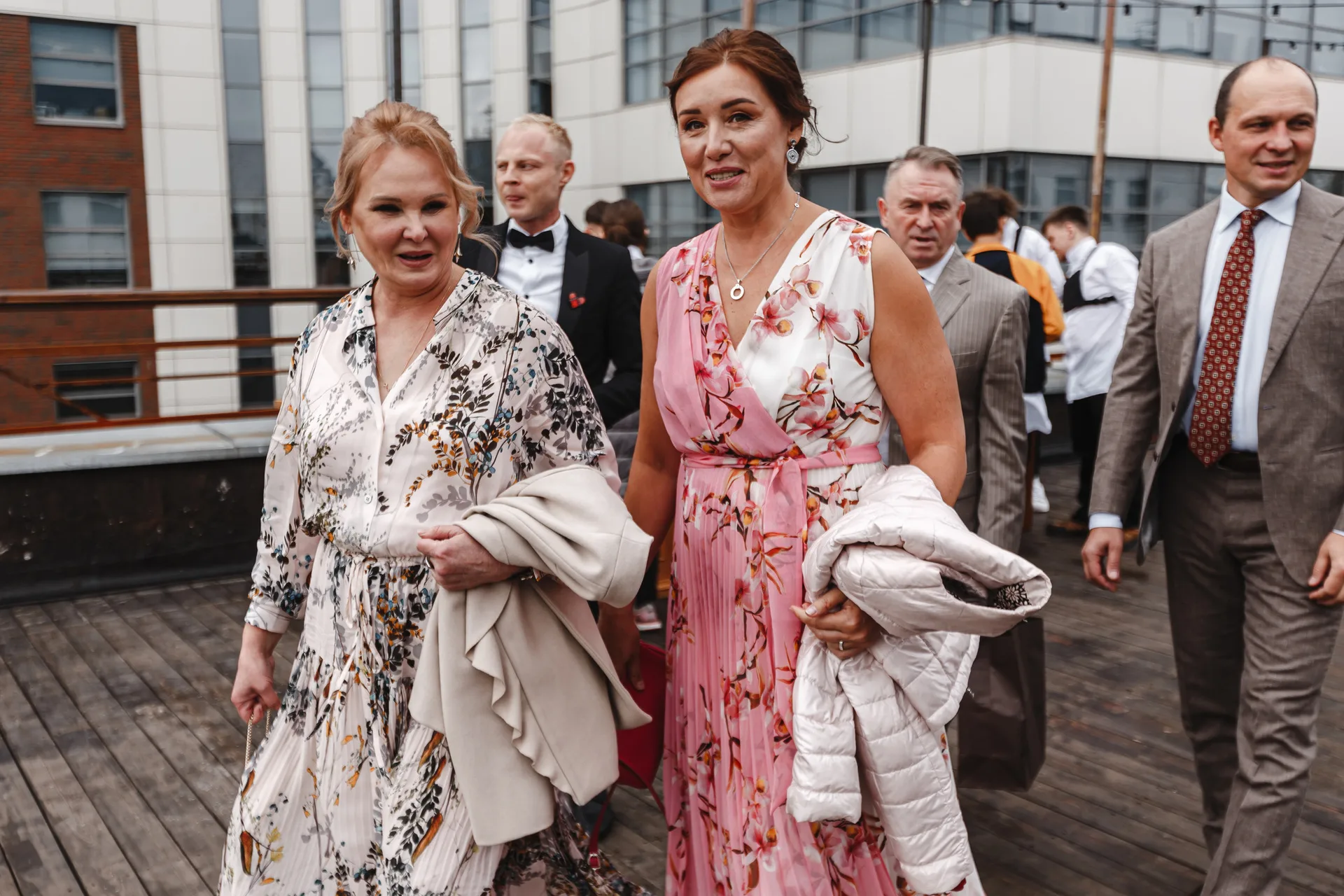
Write names, not just relationships
“Both families” can mean very different things to different people. List the names for each photograph, including the couple where relevant, so nobody has to work out the group while everyone waits. Use the names people recognise rather than a complicated family tree.
Keep sensitive explanations in a private conversation with the photographer. The practical instruction might simply be that two relatives should appear in separate groups. You do not have to explain the reason in the list shared with helpers.
A group-list format you can adapt
| Priority | Photograph | Names to include | Helper |
|---|---|---|---|
| Essential | Couple with parents or chosen family | Write each name | Name of the person gathering them |
| Essential | Couple with grandparents or older relatives | Write each name | Named helper |
| Important | Couple with siblings and their partners | Write each name | Named helper |
| Optional | A particular friendship group | Write each name | Named helper |
These are examples, not a definition of what a family should look like. Add the people who matter to you and remove combinations you do not want. Decide whether a photograph of every guest together is important and whether the chosen location can accommodate it.
Order the groups around the people
There is no single correct sequence. If an older relative needs to sit down, photograph their group early. If young children are ready and settled, use that opportunity. A complete group may go first when everyone is already gathered, but it should not require someone to stand uncomfortably while late arrivals are found.
Keep the couple in place where practical and change a few people at a time. After a group is finished, tell those guests whether they are needed again. Clear instructions prevent people from disappearing too early or waiting unnecessarily.
Give helpers a precise job
Choose someone from each side of the family who knows the people on the list. Their job is to gather the next group and quietly flag anyone missing. The photographer can then concentrate on arranging people, expressions and light.
Give helpers the final list and a meeting point before the day. They should not need to interrupt the couple to ask which cousin is which. If someone cannot be found promptly, move to a ready group and return later rather than stopping the entire session.
Choose one comfortable location
Look for enough space, a clear approach and even light across the group. Check where people can sit nearby and whether the route suits anyone using a wheelchair, walking aid or pushchair. A beautiful staircase may be the wrong location for your actual guests.
Keep the alternative close. Moving everybody to a second backdrop can take longer than taking the photographs, especially when guests have already started drinks or conversation. The rain-plan guide can help you agree an indoor option.
Leave an honest amount of time
The site’s planning allowance for family photographs is approximately 20–40 minutes. The useful question is whether your list, guests and location fit that allowance. Ten groups of people already standing together are a different task from ten groups that must be collected from several rooms.
Family photographs are not a separate allowance in the planner’s couple walk. Place them explicitly in the wider schedule instead of assuming they fit into the break for congratulations. Read how to divide portrait time when combining the two.
Before the wedding, send one final list with names, priorities, helpers and the meeting point. Keep space for spontaneous photographs with relatives too; the formal list does not need to describe every interaction worth remembering.