
Wedding Photography in Dark Venues: What Couples Should Know
A dark venue is not automatically a photography problem. I combine available light, fast lenses, flash and compact continuous light according to the scene. The most useful preparation is a capable lighting professional and a clear plan for the ceremony and first dance.
The short answer
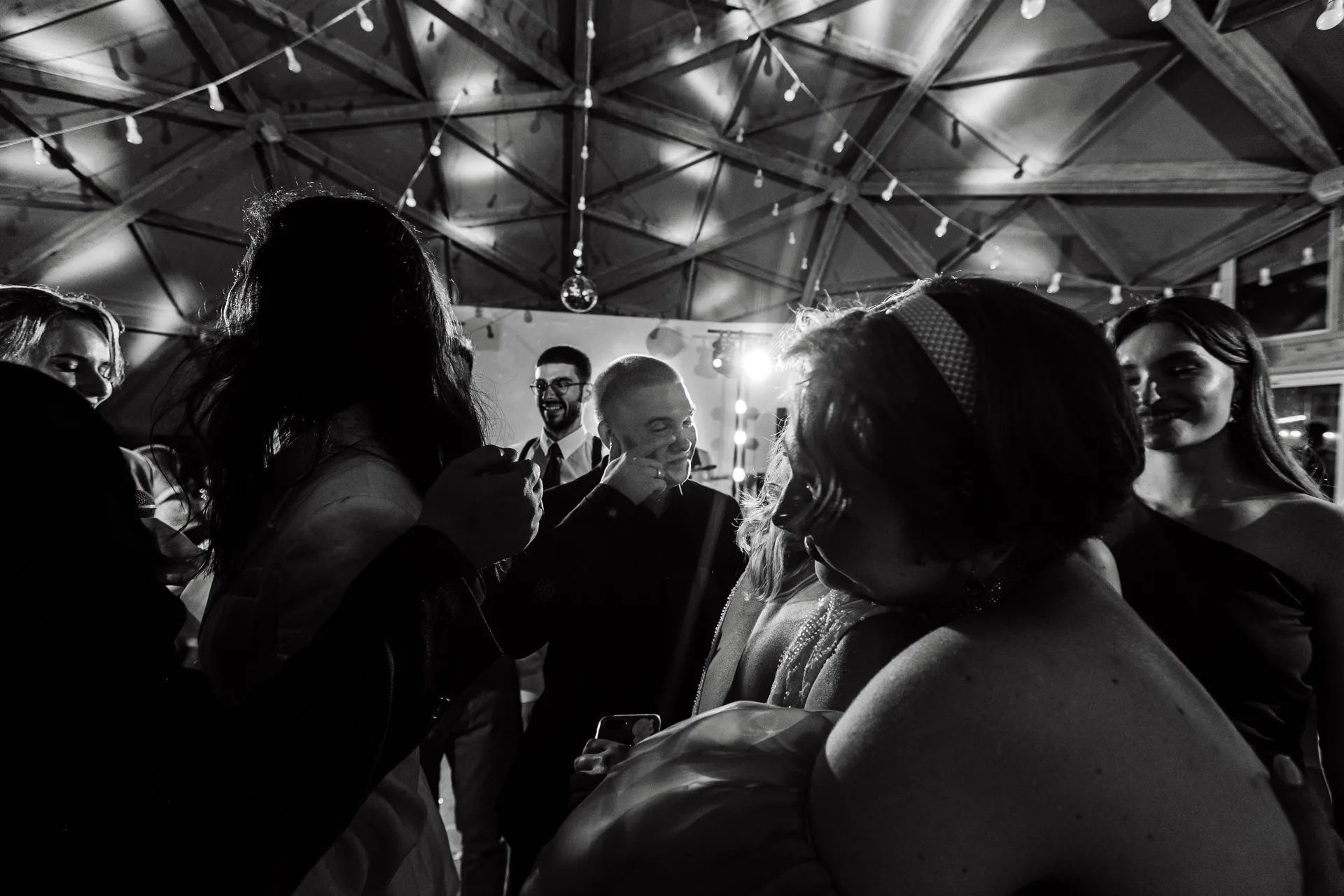
A dark wedding venue can be photographed well, but it should not be approached with one universal setting. I use a combination of available light, fast lenses, flash and compact continuous light, choosing the method according to the ceremony, reception, movement and visual atmosphere.
Sometimes direct flash is the right documentary language. Sometimes soft or diffused flash should support the existing light without dominating it. During a ceremony where flash is prohibited, I use the light already available. The important point is not whether the room is bright; it is whether the photographer can recognise what the scene needs and change methods quickly.
There is no single lighting setup
Low-light wedding photography is a sequence of different technical problems. A still ceremony, a speech at a table and a fast dance floor do not need the same solution.
My available tools include:
- fast lenses for working with limited existing light;
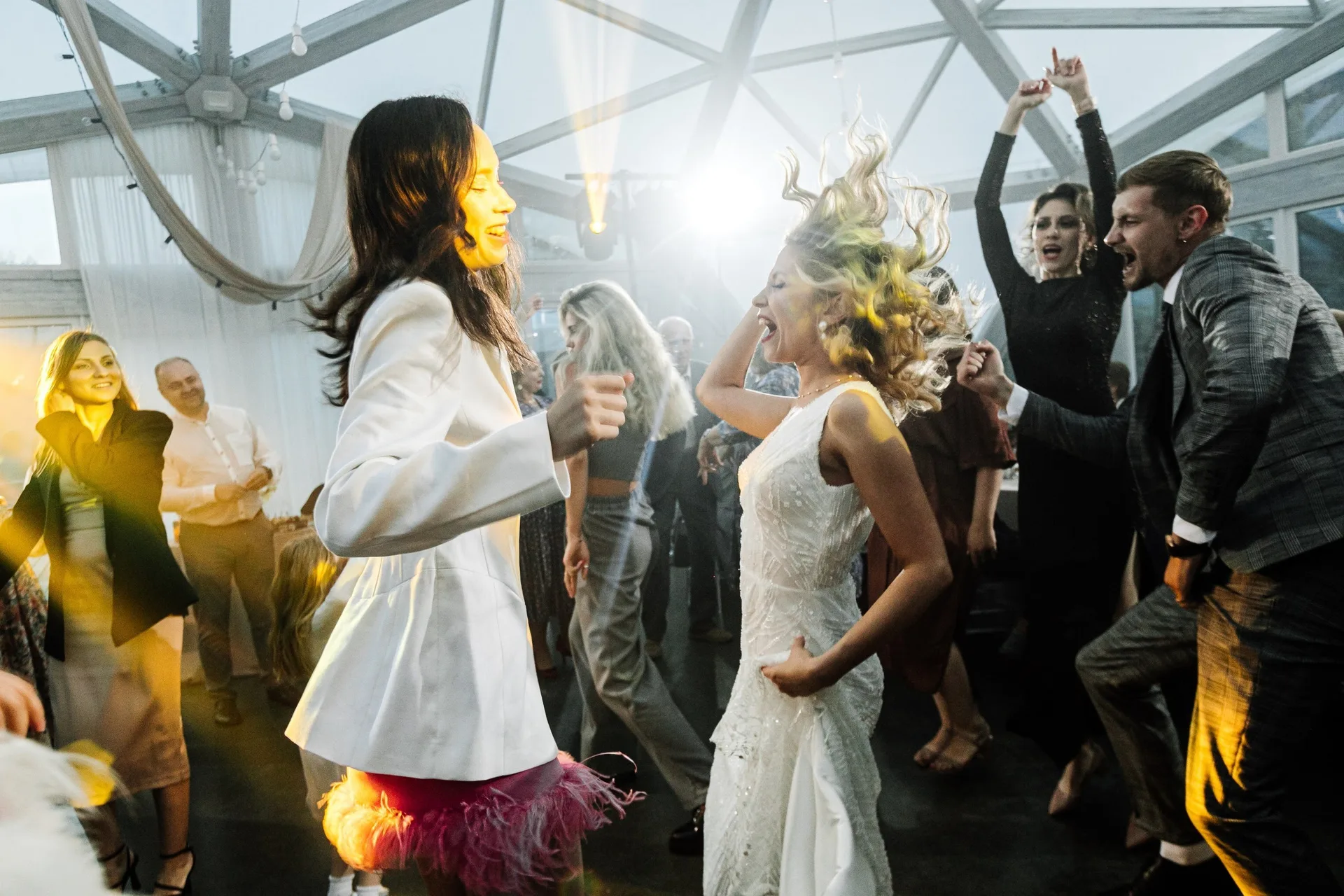
- direct flash for energetic, graphic reportage;
- diffused or bounced flash when a softer result suits the room;
- compact continuous light for controlled illumination without a flash burst;
- the venue’s own light when its direction and colour contribute to the atmosphere.
The choice is made in real time. Preserving every coloured light can leave faces unreadable; replacing all existing light with flash can remove the mood the couple designed. Good coverage moves between those priorities instead of forcing every photograph into the same look.
When flash is not allowed
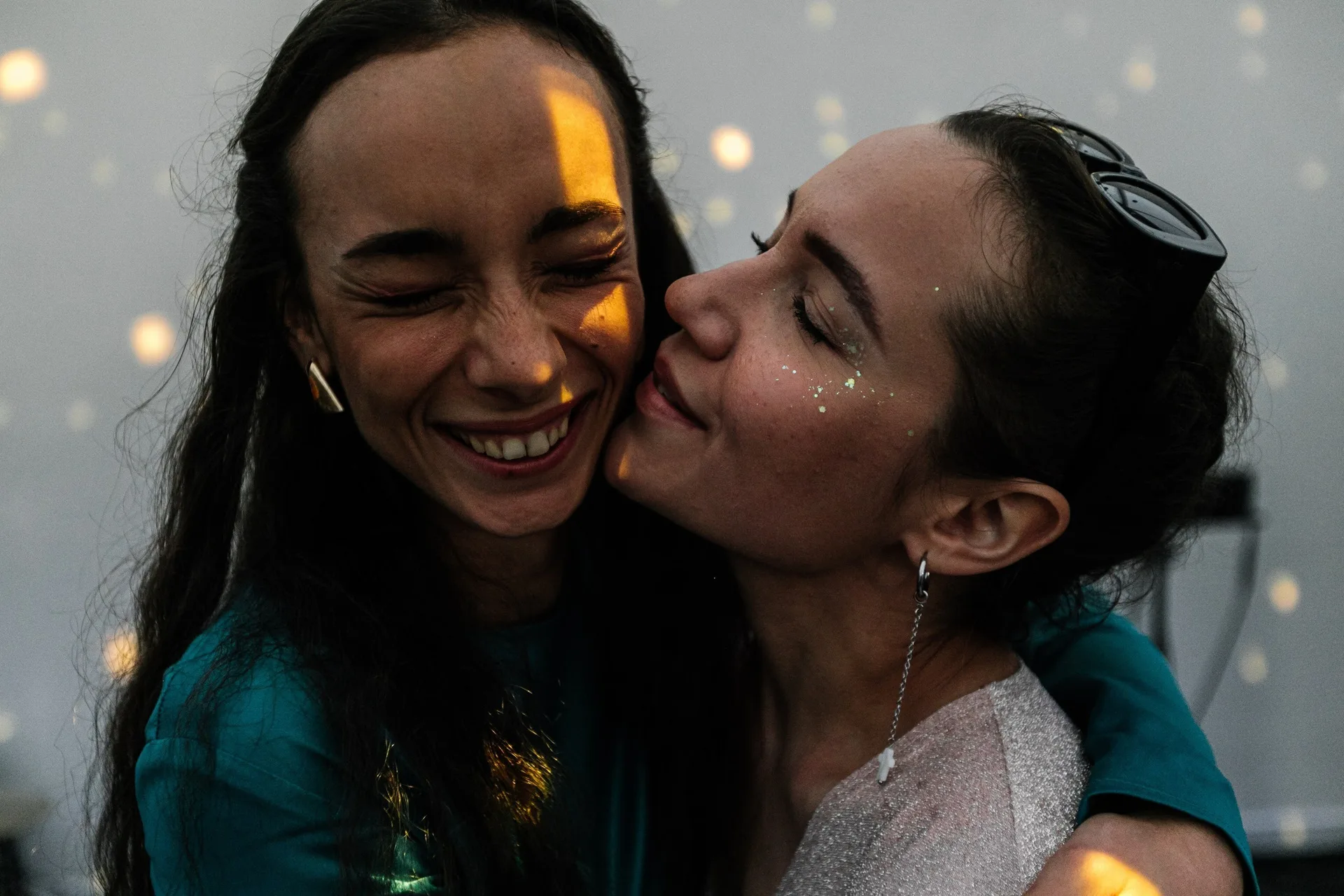
Some churches, civil spaces and venues prohibit flash during the ceremony. In that situation I work exclusively with available light and fast lenses. Modern cameras make low-light coverage technically possible, but they do not change the actual quality or direction of the room’s light.
This means a ceremony lit only by a strong source behind the couple will look different from one with soft light reaching their faces. Before the wedding, ask the venue whether flash is prohibited, whether the photographer can move and whether existing lights may be adjusted. These answers belong in the practical timeline, especially when the restriction is strict.
The objective during a ceremony is also discretion. Even where flash is permitted, constant bursts may be the wrong choice for vows or a quiet religious service. The photographer should be able to continue without interrupting the event.
Plan the light, not only the decoration
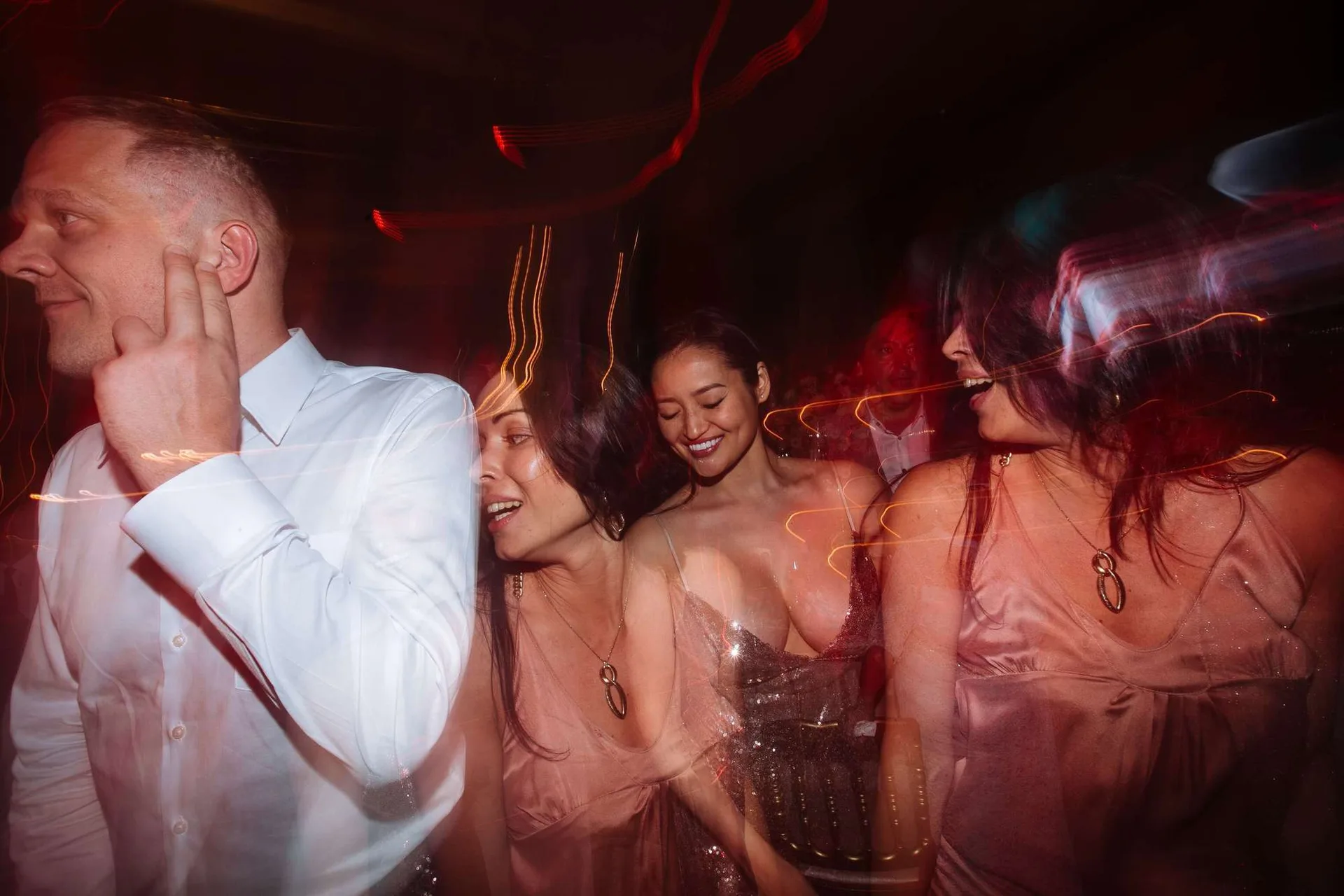
Decorative light and photographic light have different jobs. Coloured beams may make a room dramatic for guests while leaving skin strongly green, red or blue in every camera angle. A skilled lighting designer understands how to build atmosphere and still provide clean light for important moments.
Discuss these points before the wedding:
- Where will speeches, cake cutting and performances happen?
- Which light reaches faces at those positions?
- Can the lighting operator provide a neutral white scene when needed?
- Will fast-changing effects or lasers cover the couple during key moments?
- Who will cue the first dance and its lighting sequence?
For an outdoor registration, avoid choosing midday only because it appears brightest. Light closer to the evening is often more comfortable for the couple and guests. The final time should still follow the season, venue orientation and local weather rather than a universal clock time.
The first dance
The simplest useful request is approximately one minute of clean white light on the couple at the beginning of the first dance. That gives enough time for clear photographs before the design changes into coloured, moving or theatrical effects.
The white light does not need to make the room flat or clinical. It needs to reach the couple consistently and avoid rapidly changing colour across their faces. After the essential sequence, the lighting designer can move into the show as planned.
What to check before booking
Do not judge low-light ability from one dramatic dance-floor image. Review a complete wedding gallery and look for consistency across the ceremony, speeches, guests, first dance and open dancing.
Useful questions include:
- Can the photographer work when flash is prohibited?
- Can they show both available-light and flash photographs from real weddings?
- Do faces remain readable under difficult coloured lighting?
- Does the dance floor feel energetic without every frame looking identical?
- Have they explained what the venue or lighting professional should prepare?
The Anton and Natalia story and Yuri and Svetlana’s Turkey wedding include real evening coverage. They show the range more honestly than a claim that one camera setting solves every dark venue.